The 1st Serbian Language Summer School

Serbian Language Summer School

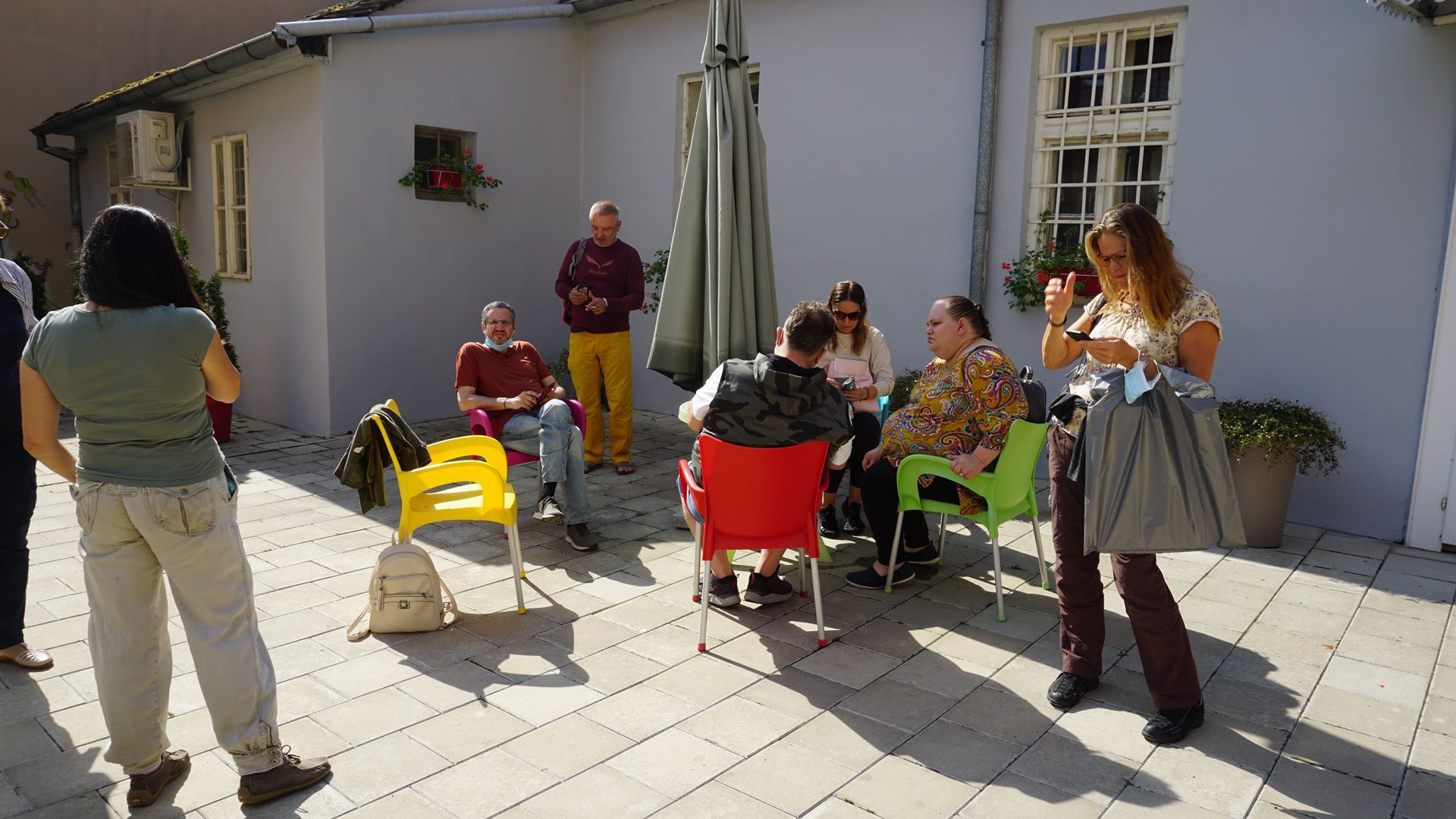
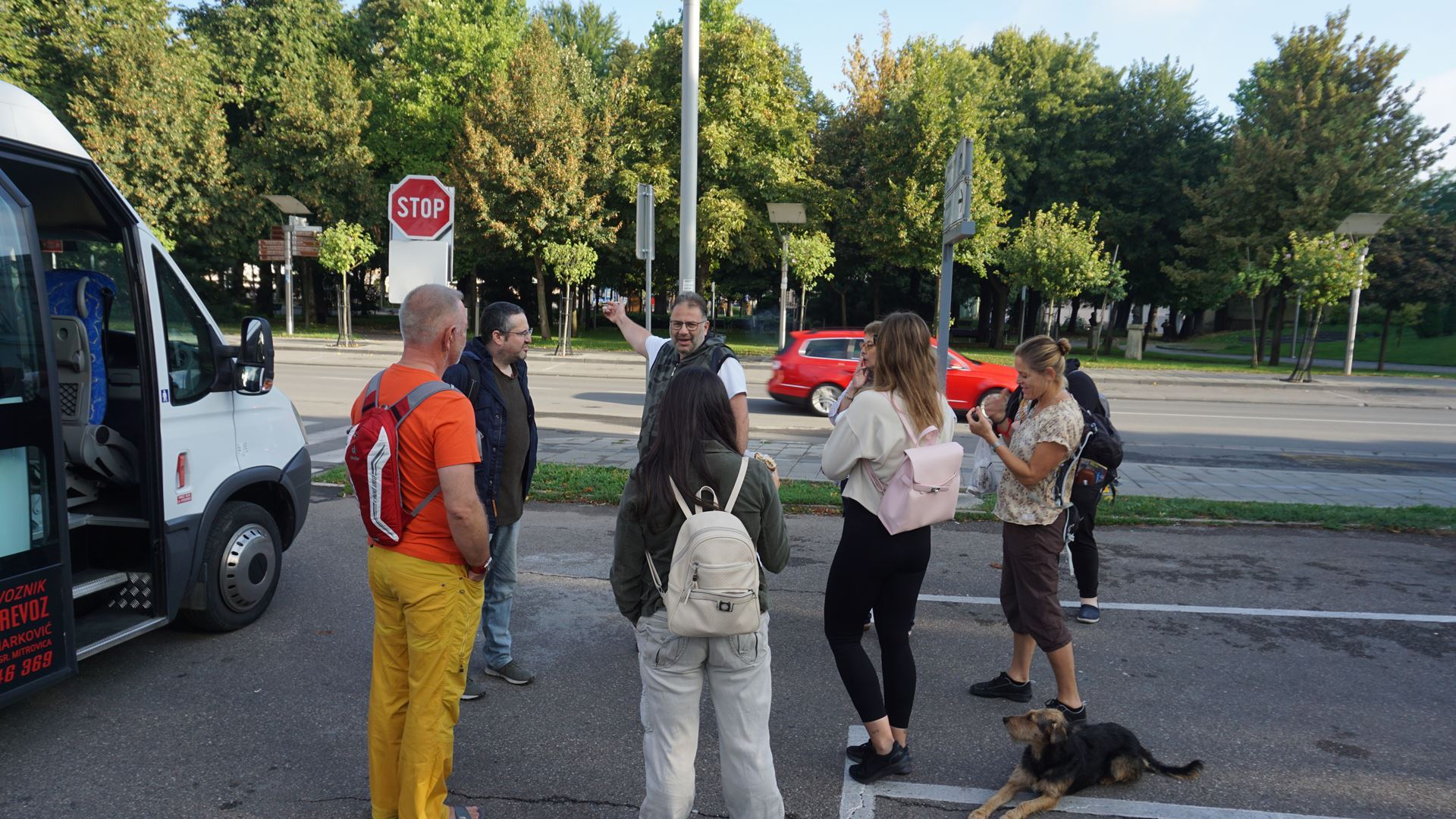
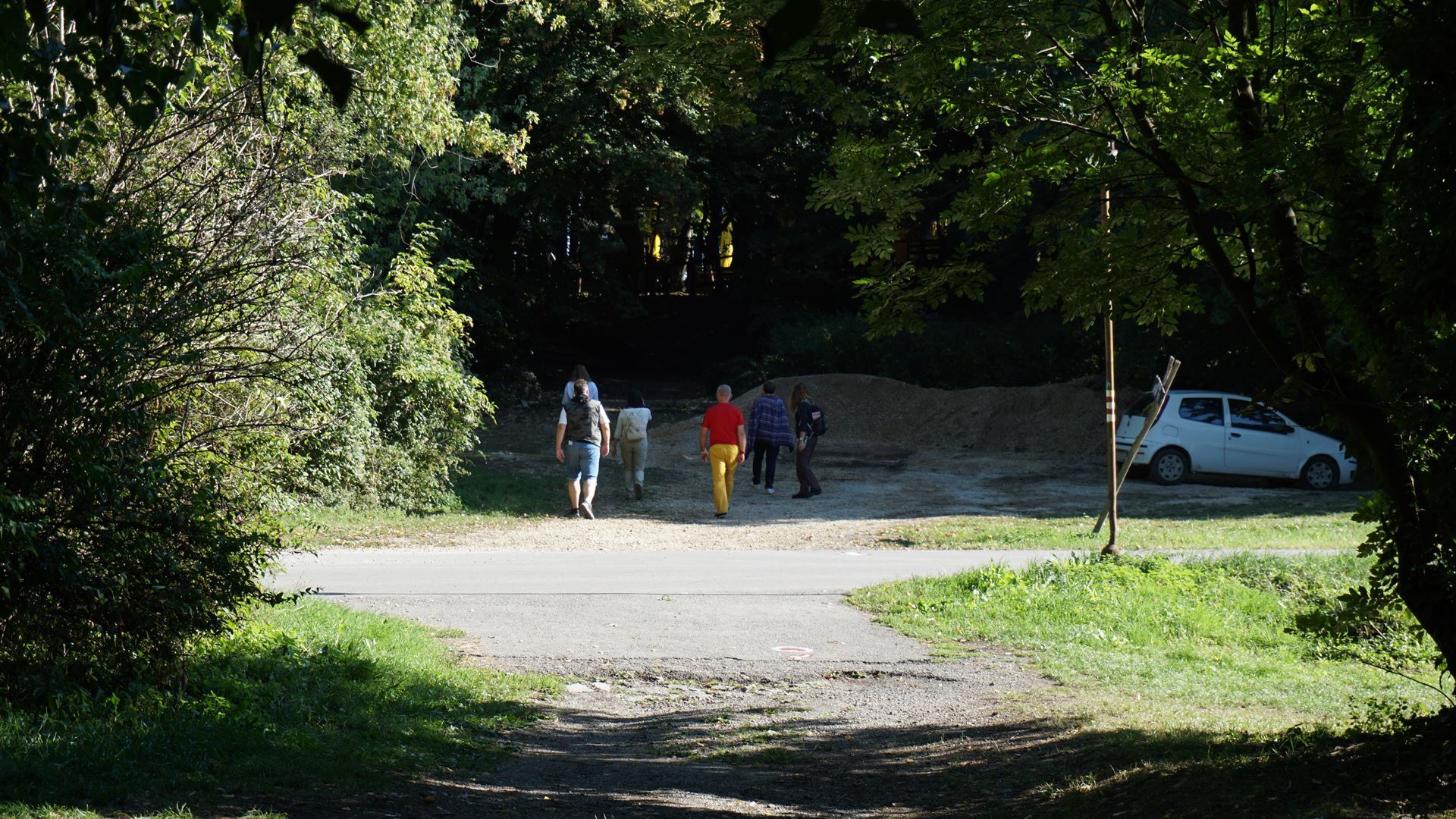
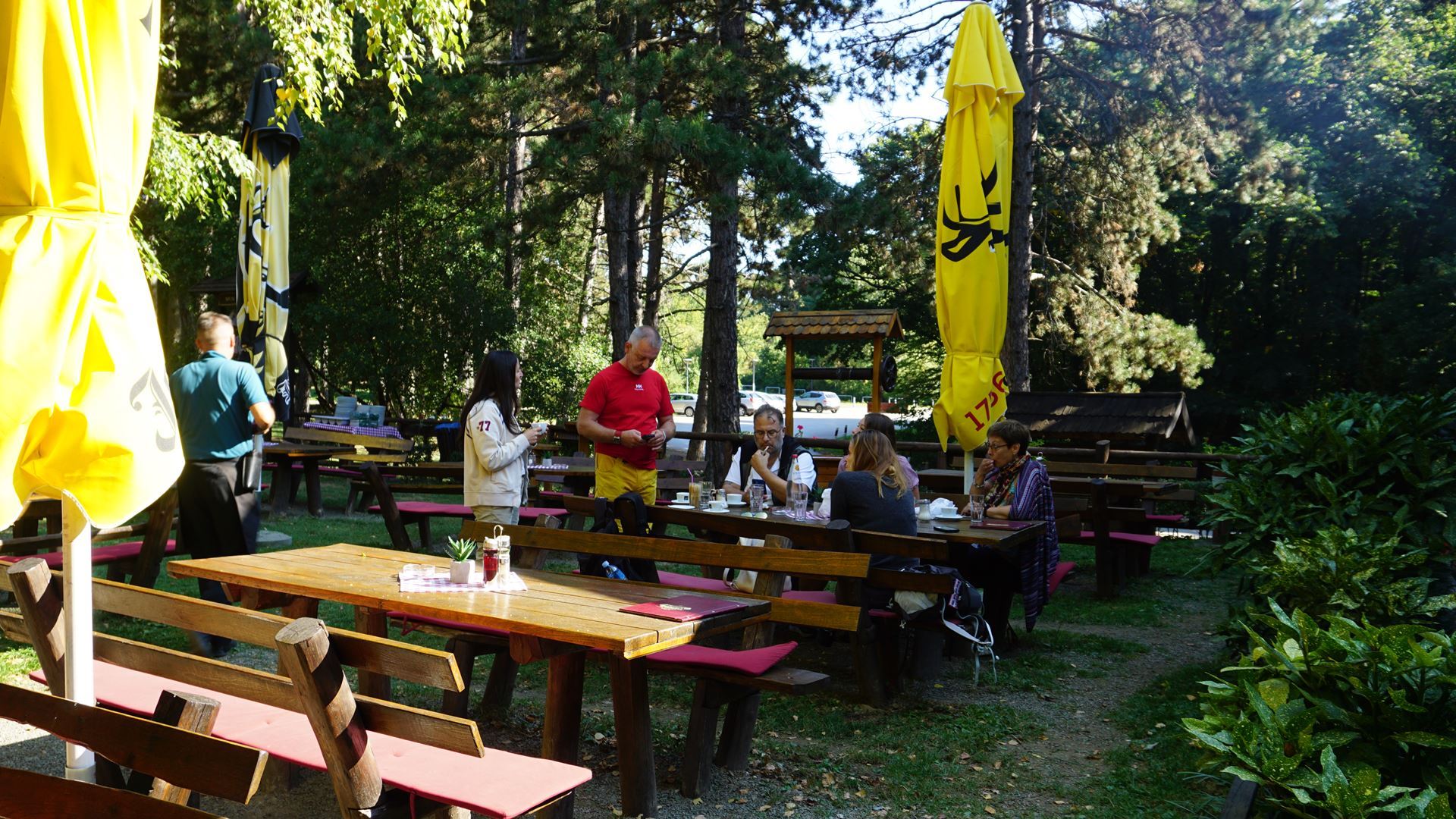
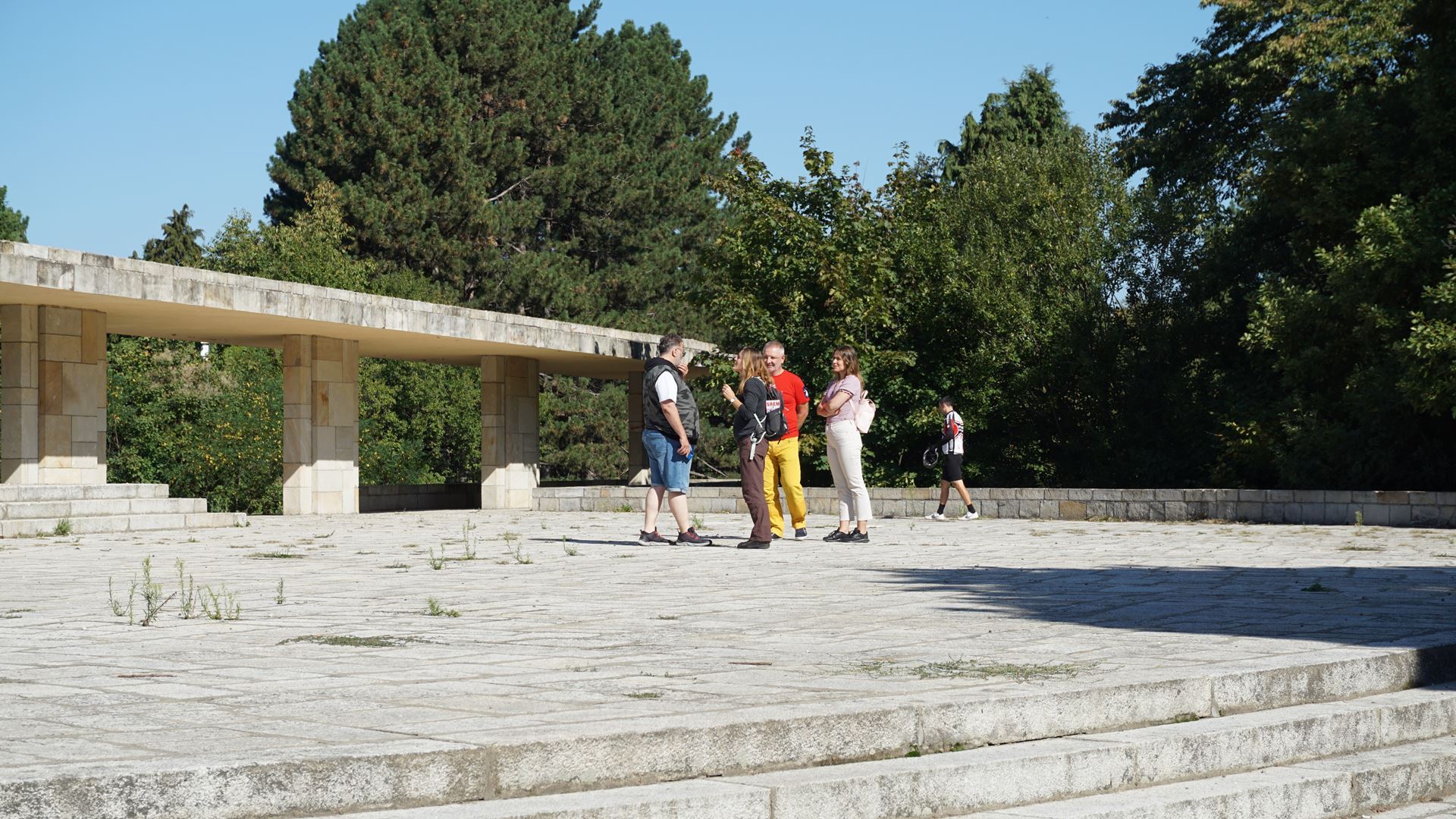
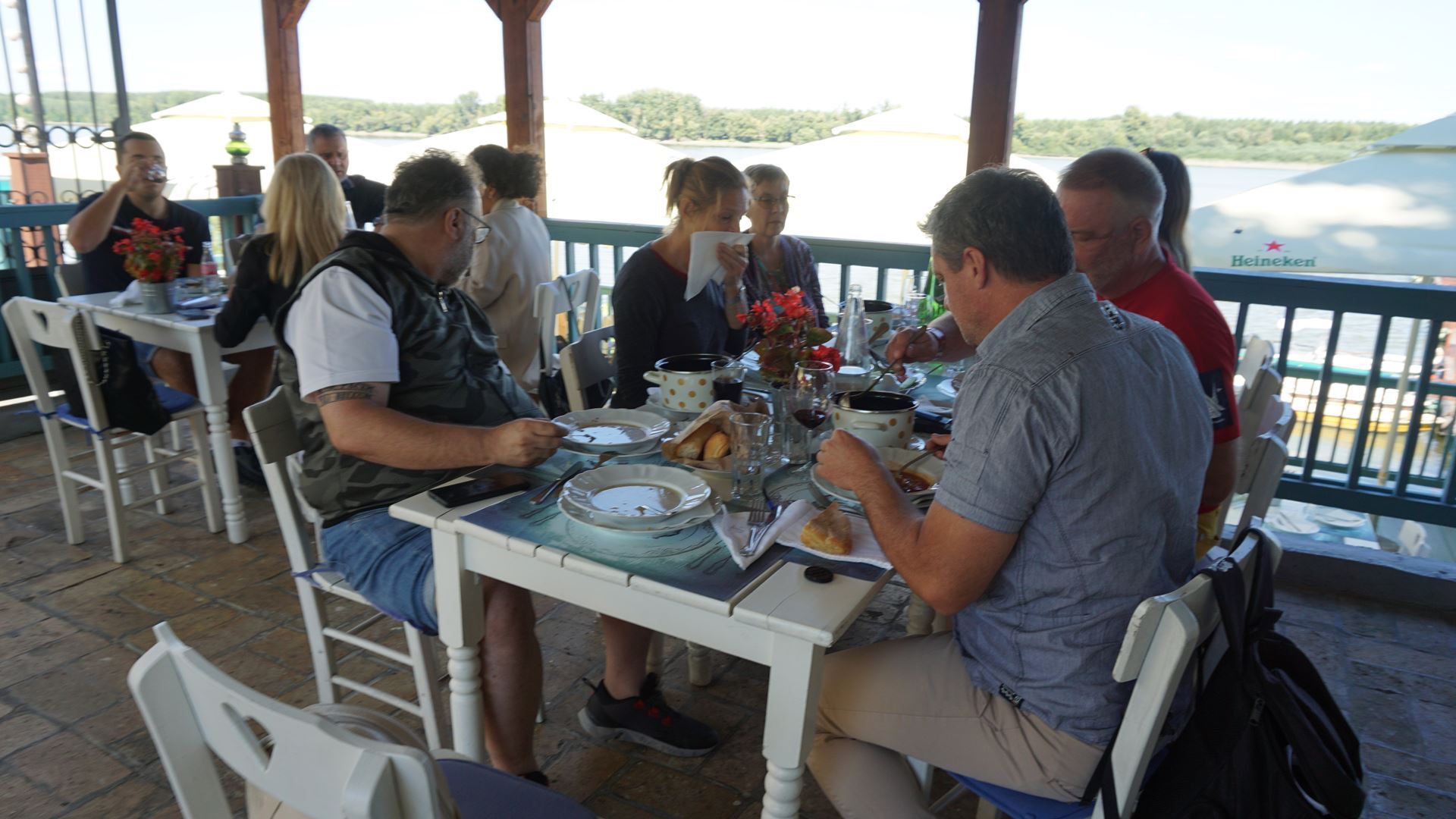
The 1st Summer School of Serbian Language and Culture in Sremska Mitrovica with Serbonika, September 2021

Those were two life-changing weeks! Our Serbian Language Summer School was an intense experience for everyone involved. A big package of different activities with one goal: study the Serbian language and use it for learning about culture and life. Was that fun? Was it difficult? Was it inspiring? Find out from our students! Read on and see how we spent the Serbonika’s 1st Summer school of the Serbian language and culture.

Need a quick 0 boost? We get you approved instantly—no long wait, no hidden fees. Simply fill out the short online form, and if you’re eligible, the money lands in your account within minutes. It’s perfect for covering surprise bills or urgent expenses while keeping your credit score intact. get your 0 loan in minutes and say goodbye to stress—because life moves fast, and so can your finances.

Our 1st Serbian Language Summer School – a dream came true!

The first Serbonika’s Serbian Language Summer School happened in September 2021 – luckily, it was an Indian summer, or as we say in Serbian: Miholjsko leto. We enjoyed the warm weather and sunny days. It was the most beautiful learning experience, for us the hosts and our guests alike.

For us, it was the first time to look at our own town and our own region through the eyes of tourists, looking for the most captivating places to visit. And for our students… Let me quote what my student Kassia, a librarian from the Netherlands with Polish roots, wrote:

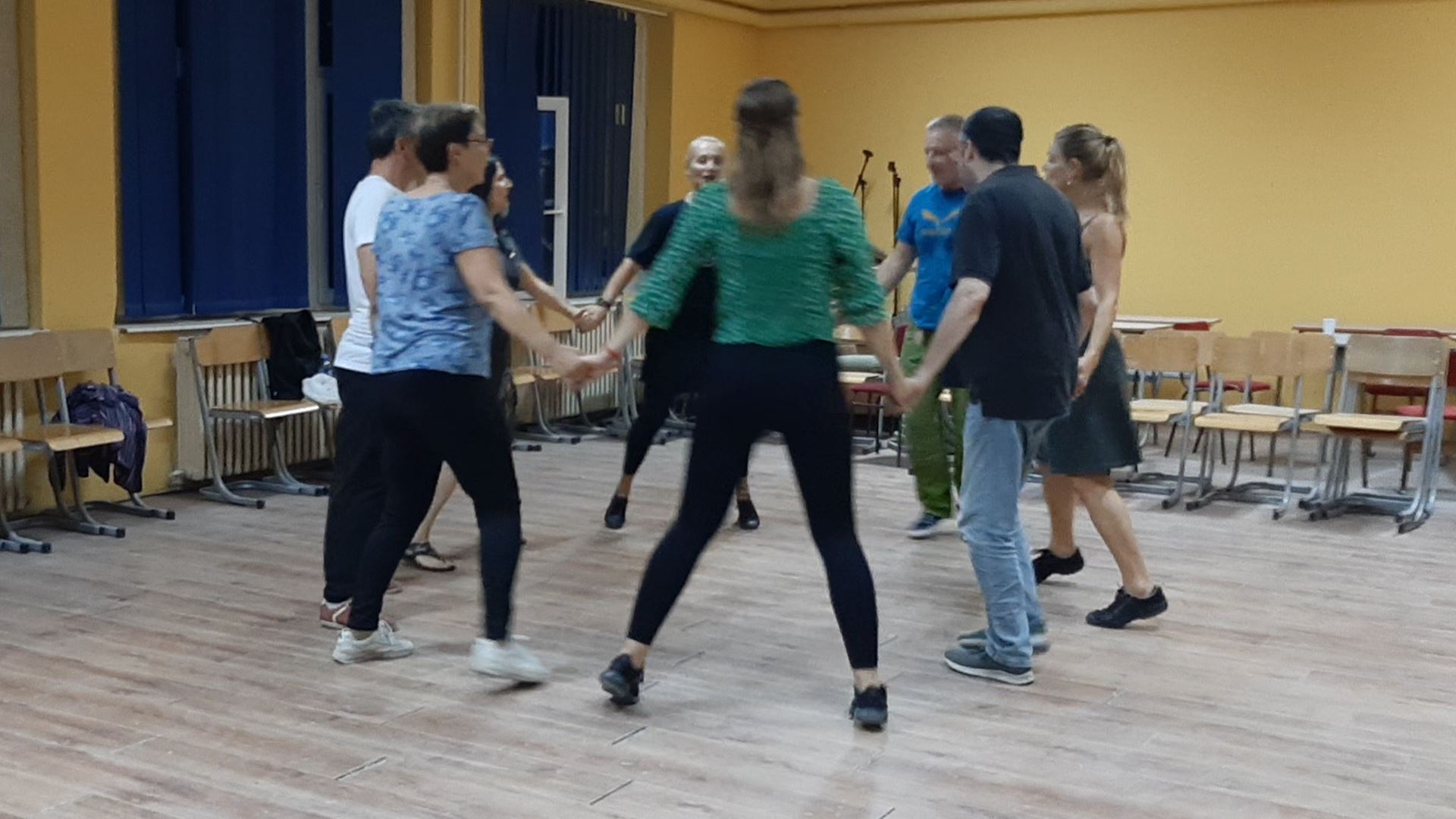
“I can’t even start to describe it, or know where to begin. These were one of the best language lessons I have ever had. Everyday lessons were interesting and also a lot of fun. The excursions were amazing. Once in a life experience. I have learned so much, not only the language, but also about culture, history. One of my favorite things were the kolo lessons. This program contained everything: every aspect of the Serbian language, culture, food, music, history… Amazing! I can only thank Magdalena and Bojan from the depth of my hearth for organizing this Serbian language summer school. For me, it was a dream come true. I want to thank for their hospitality, their help with literally everything. Thank you for making this happen! Thank you for this experience. I will never forget you and Serbia, everything has a place in my heart.” 

Thank you so much for these beautiful, touching words! Kassia, mnogo ti hvala!
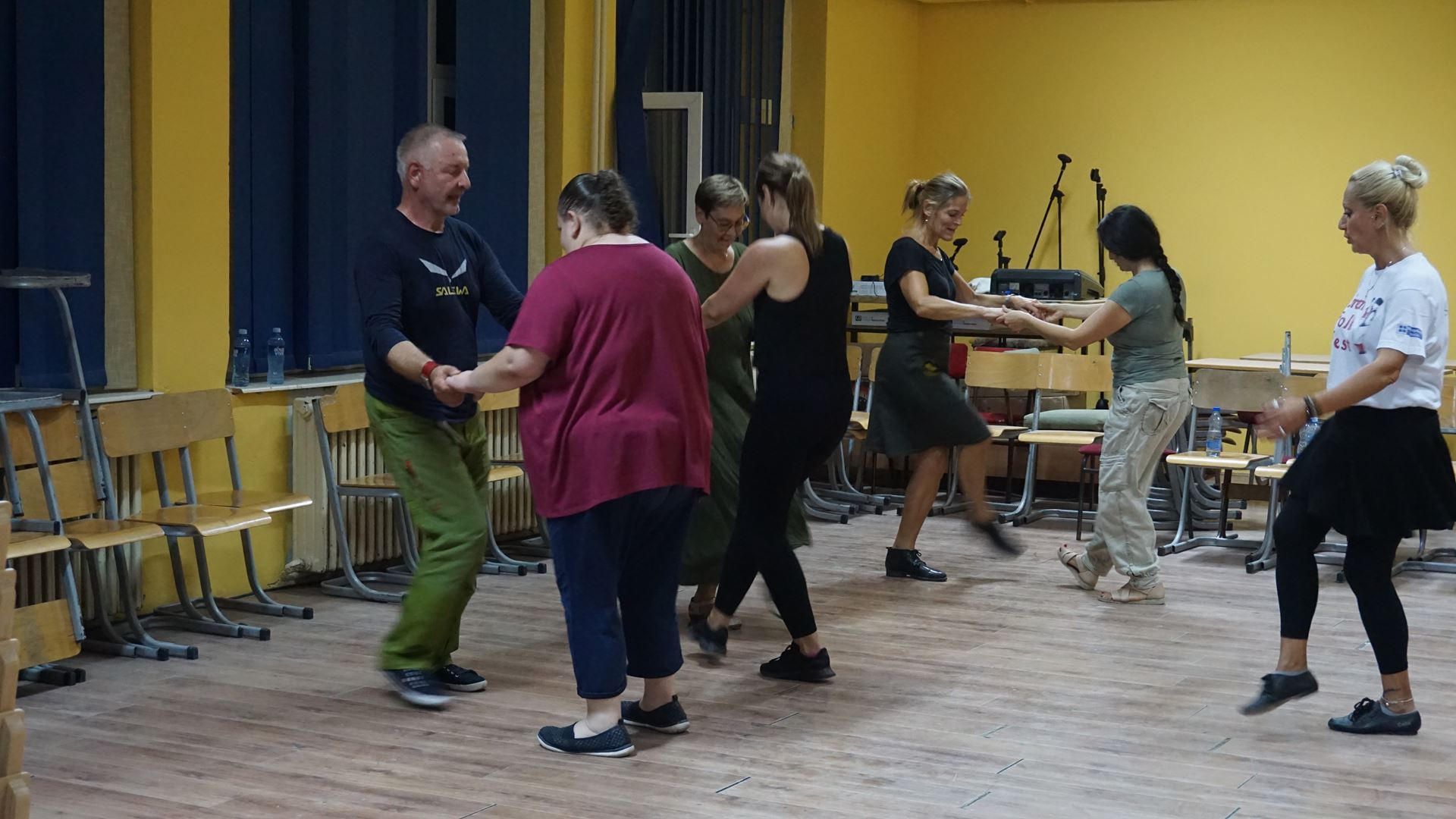
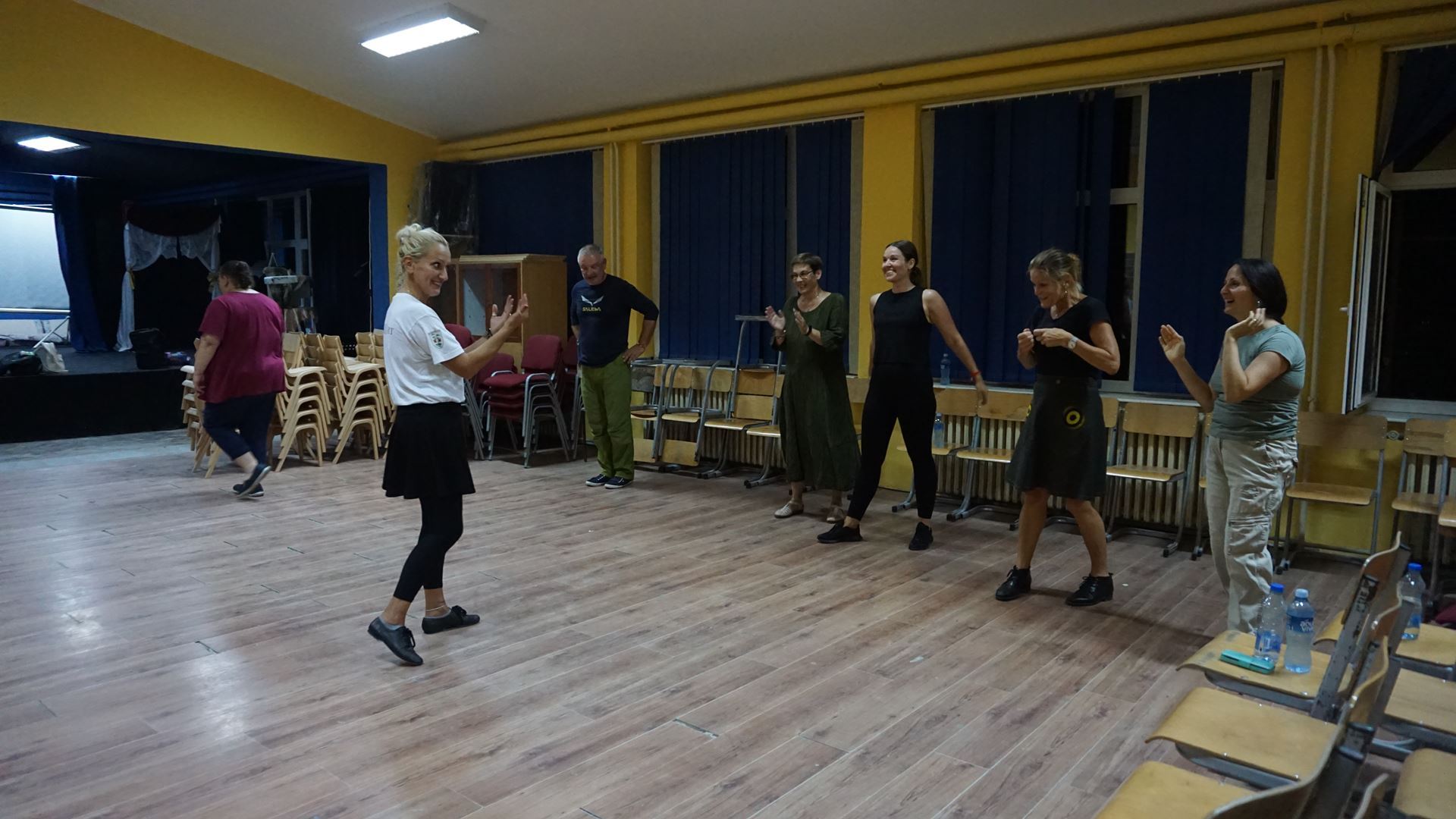
Čas plesa - Letnja škola srpskog jezika Serbonika
This summer school was was a dream come true not only for Kassia, but also for myself, as a teacher.

I first started contemplating a Serbian language summer school back in 2014, when I started teaching online full time. I was a foreign language student in Italy and Greece, and dreamed of organizing something similar in my country.

It was only a dream until May 2021, when two of my students said: “Hey, Magdalena, we have a request and you can’t say no: you must organize a summer course!” So I started researching and working on it, and in a couple of months, it happened.

Here I want to thank you so much, Michael and Keith, for giving me the incentive. Even though you were not able to join us this year, you two did the first necessary step.


Both guests and hosts enjoyed our Serbian Language Summer School so much!

The first summer school was such a success because we were privileged to work with an amazing group of people. We all “clicked” the first day and enjoyed spending time with each other and doing things together. The most emotional moments were left out form the camera. Those were final farewells and goodbyes.

Now, enriched with this experience, we hope to make our Serbian language summer school grow every year. Below you can watch a video, or read its transcript with photos, and see how beautiful it all was.


These are the pages where you can learn more details and apply:
Details about the Serbian language summer school in English
Više informacija o Letnjoj školi srpskog jezika na srpskom

Prvi gosti su došli u našu Letnju školu srpskog jezika 

The first guests came to our Serbian Language Summer School

Prvi gosti u našu letnju školu doputovali su iz Turske, Poljske, Rusije, Amerike, Norveške, Holandije. Došli su 12. septembra 2021. godine da uče srpski u Sremskoj Mitrovici. The first guests came to our Summer School from Turkey, Poland, Russia, America, Norway, the Netherlands. They arrived on september 12, 2021 to learn Serbian in Sremska Mitrovica.
Nakon zabave u nedelju, gde smo se upoznali i družili, u ponedeljak je počela nastava. After the party on Sunday, where we met and hang out, the lessons began on Monday.
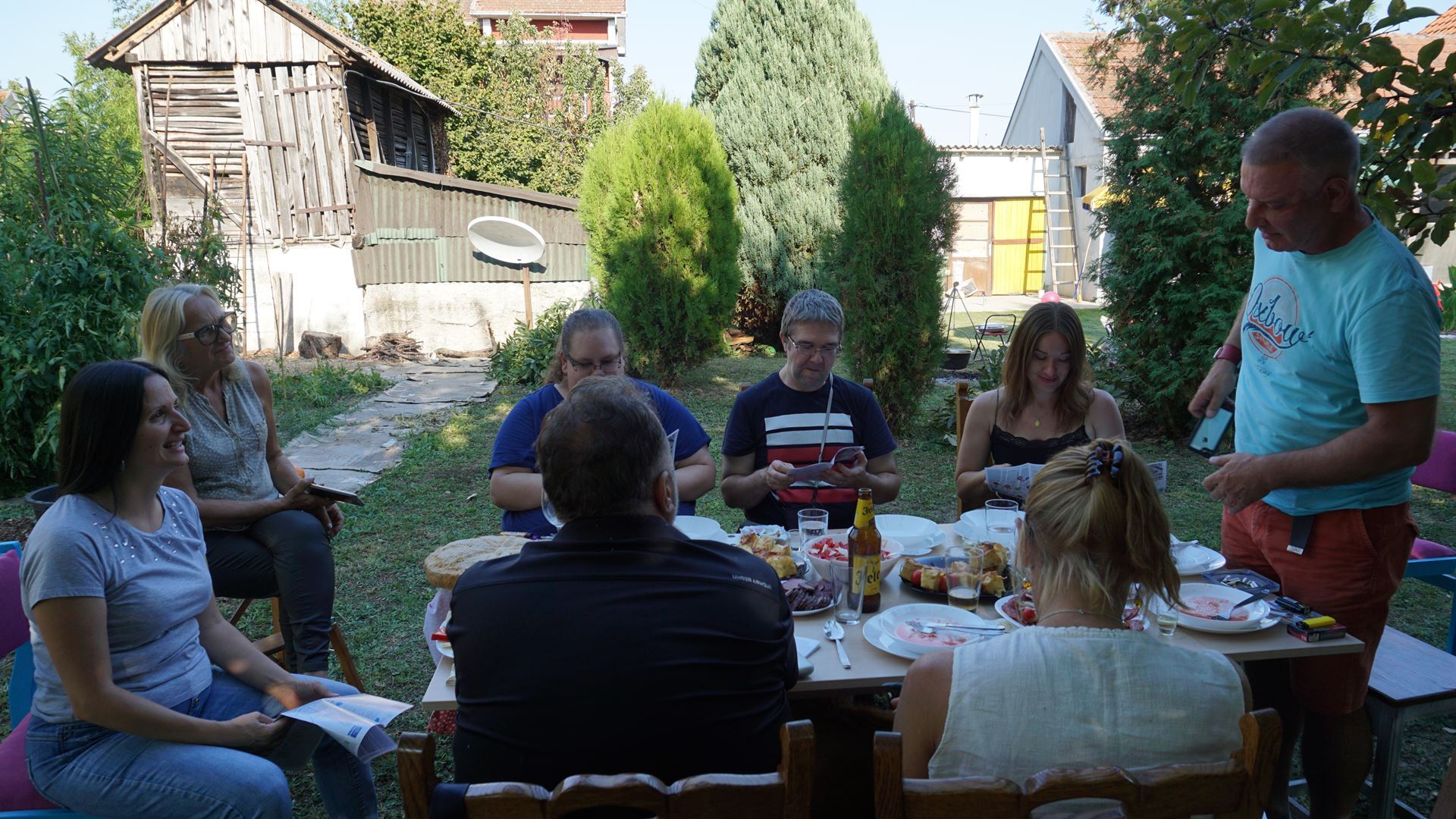
Tokom 2 nedelje, svako jutro, svi su dolazili na vreme na časove. Bili su vredni učenici. Domaći su ponekad pisali u kafani, ali su uvek bili spremni za čas. Kažu da su časovi bili jako dobri i zabavni. During two weeks, every morning, everyone came on time to classes. They were diligent students. Sometimes they wrote their homework in a tavern, but they were always prepared for class. They say that the classes were very good and fun.
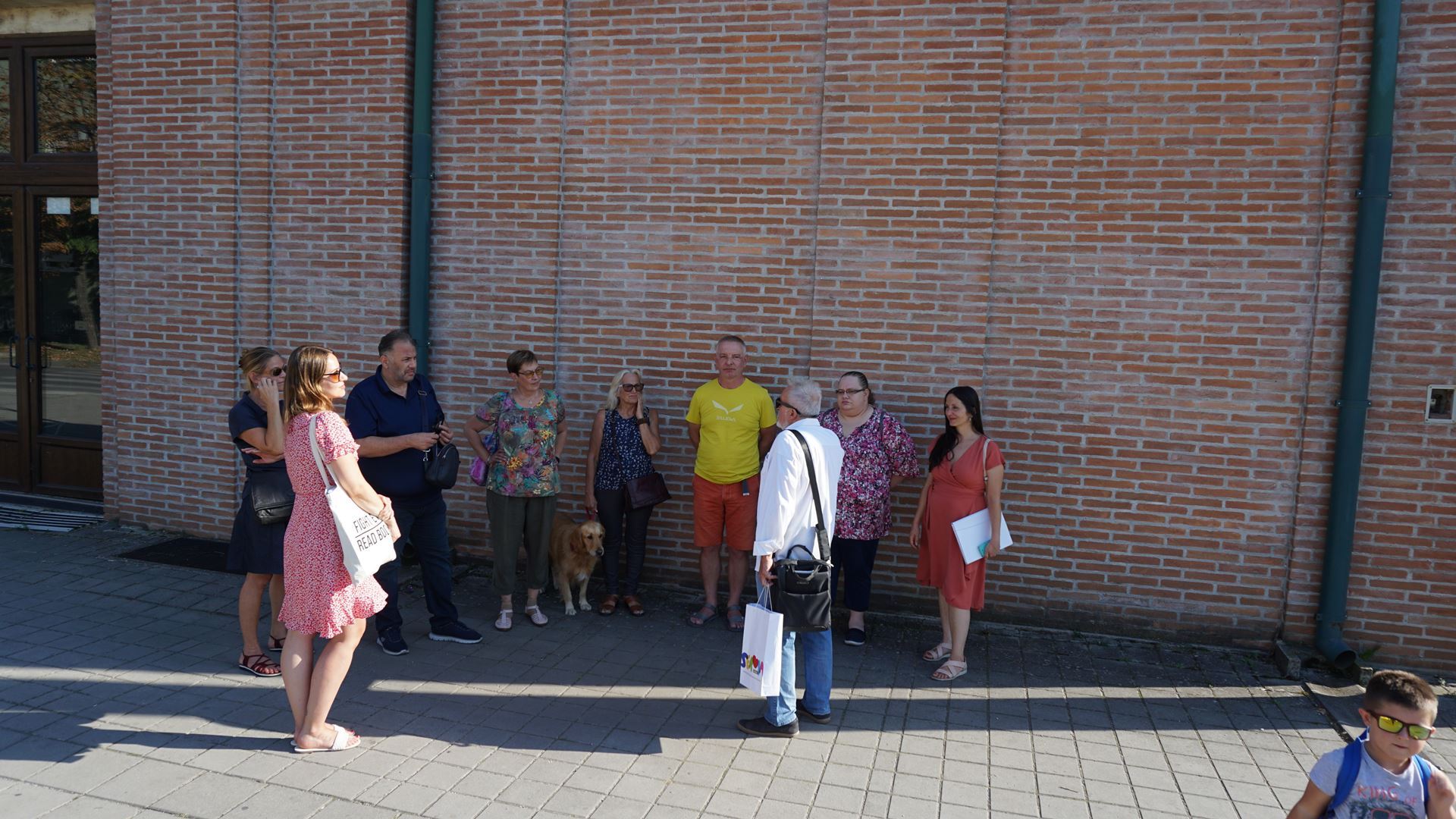
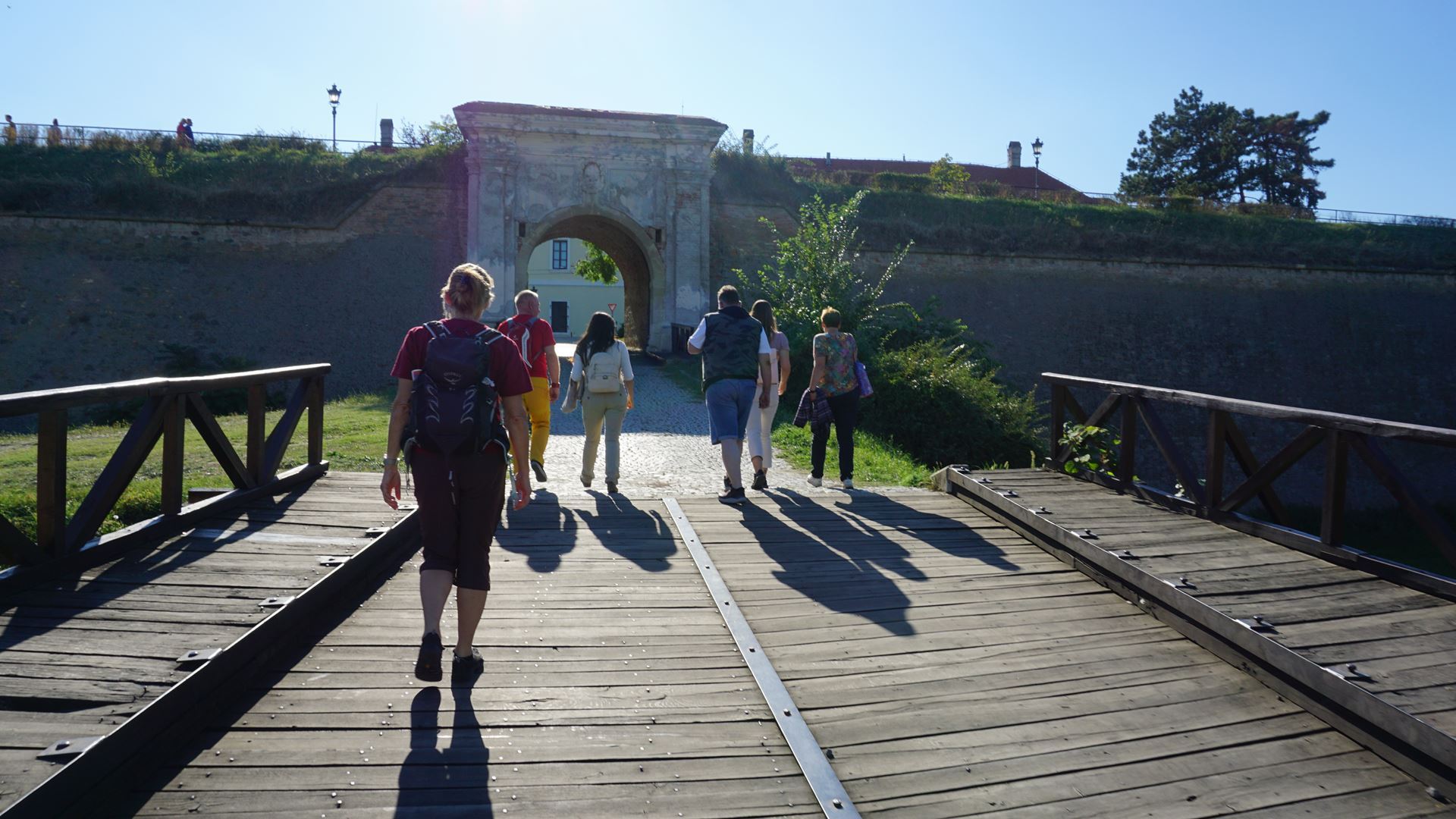
Posle časova smo išli u šetnje, muzeje, galerije i biblioteke, plesali smo kolo, pekli rakiju.
Upoznali smo mnoge ljude i razgovarali sa različitim stručnjacima.
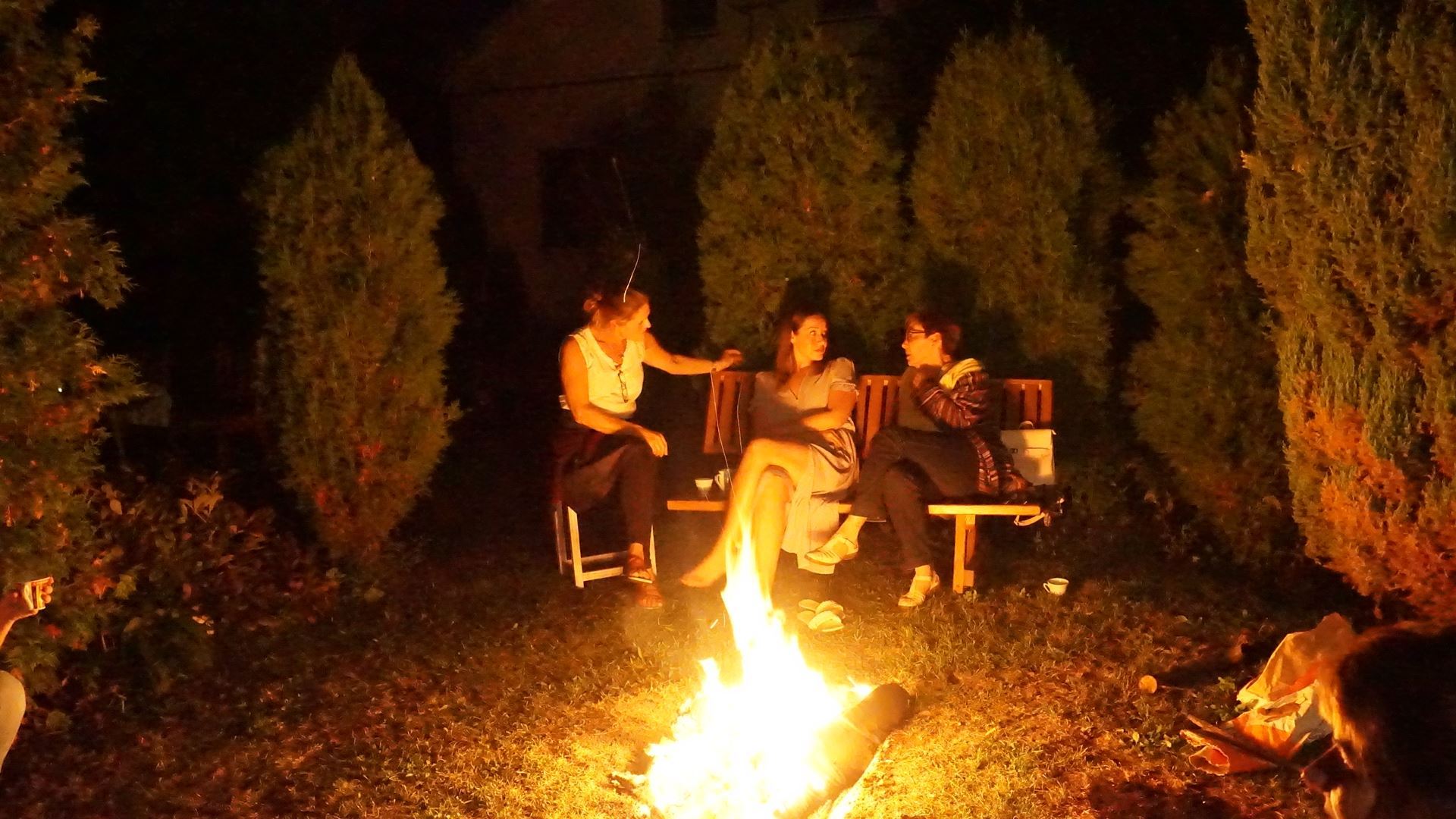
After the classes we went for walks, visited museums, galeries and libraries, we danced kolo, brewed rakija. We met many people and talked to different experts.
Tu su bili: enolozi, arheolozi, paleontolozi, jezičari, muzičari, kuvari, istoričari, bibliotekari, slikari, istoričari umetnosti, turistički vodiči, plesači… There were: enologists, archeologists, paleontologists, linguists, musicians, cooks, historians, librarians, painters, art historians, tour guides, dancers…
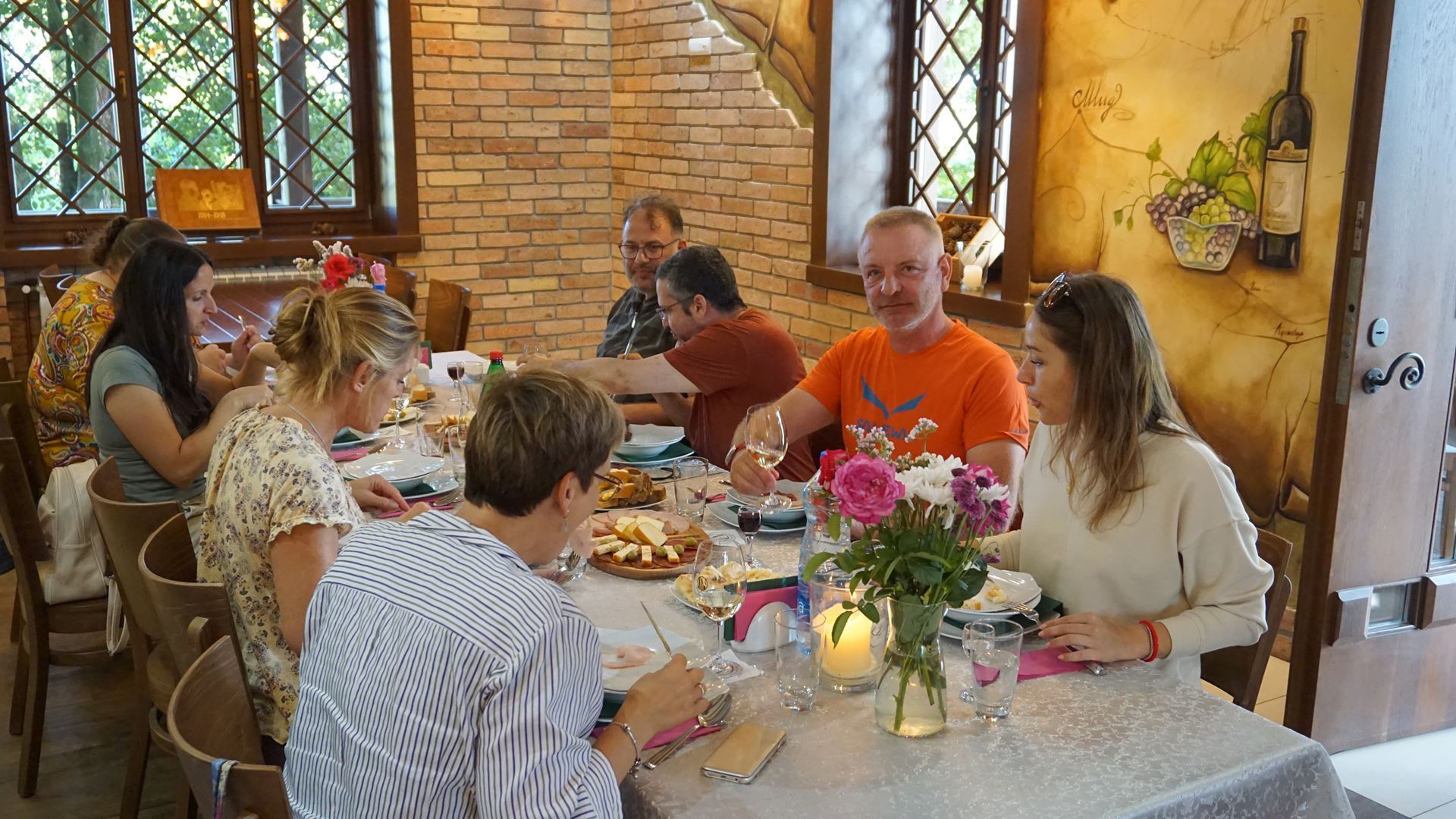
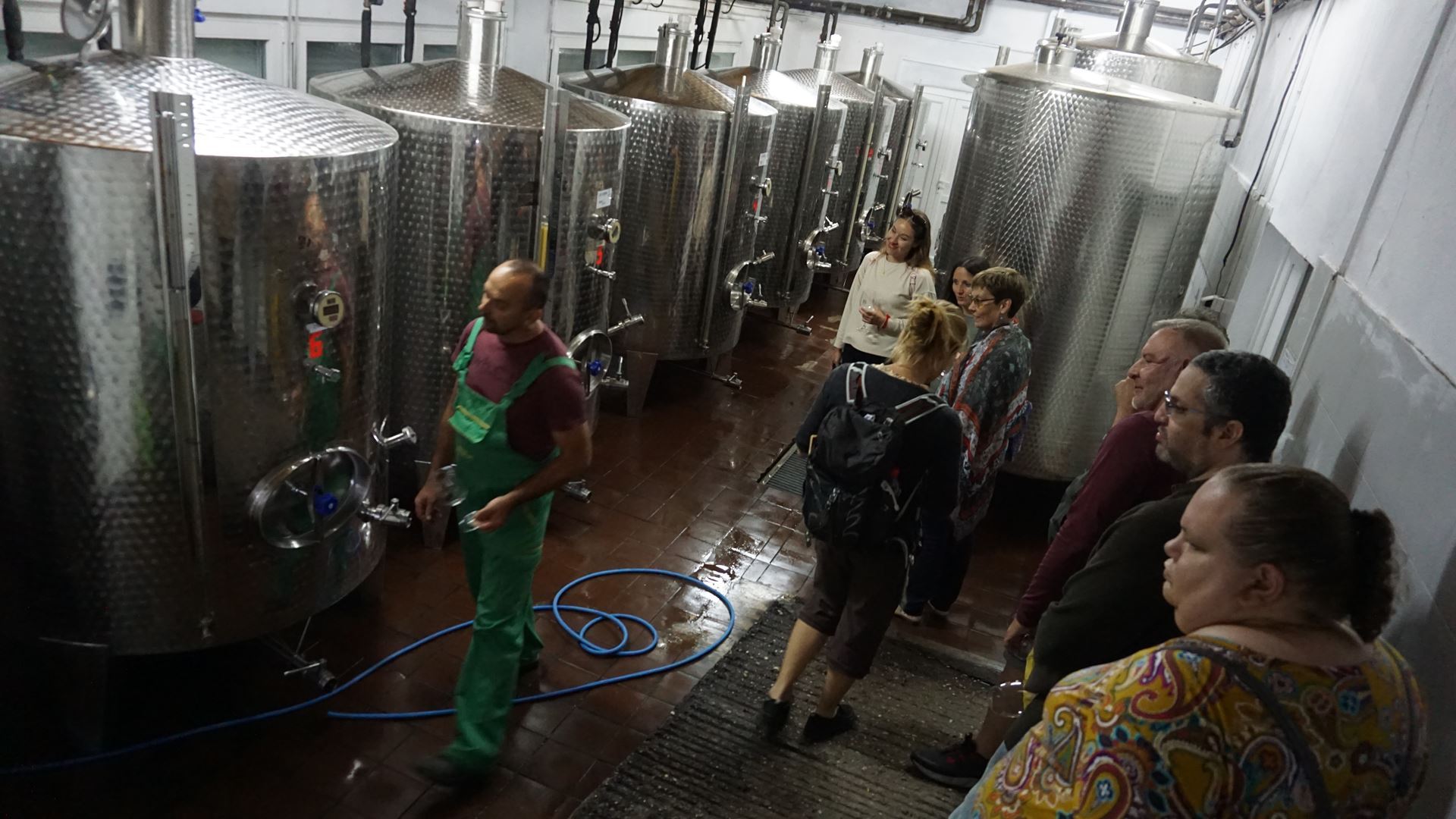
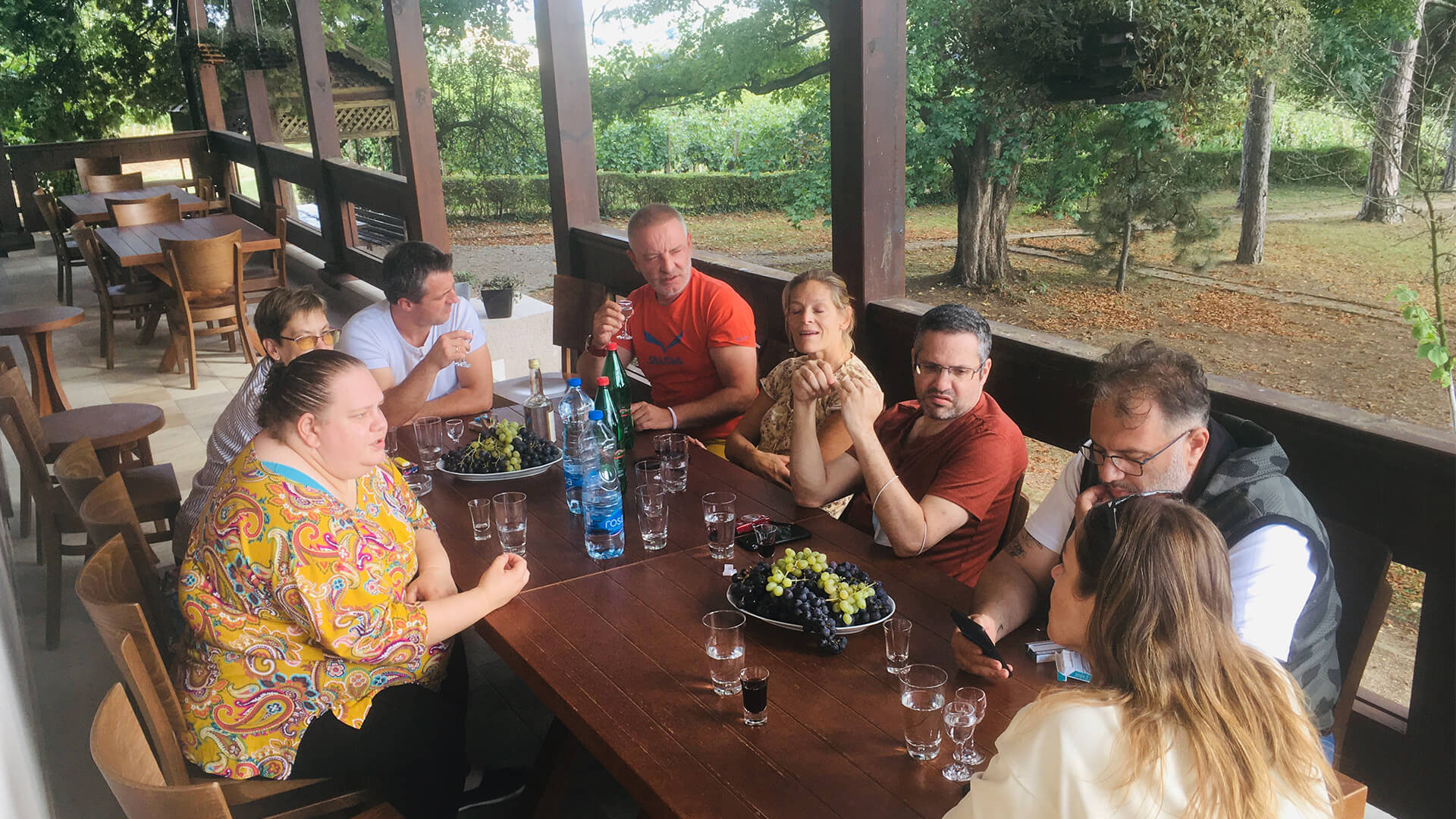
Preko vikenda smo išli na ekskurzije i zabave. Obišli smo kafiće, restorane, čarde i jednu vinariju. Prošetali se vinogradom i salašem. Over the the weekend we went to excursions and parties. We visited cafes, restaurants, fish resturants, and a vinary. We walked through a vineyard and a salaš.
Postali smo prijatelji i sjajno se proveli. Iznad svega, uvek i svuda slušali smo srpski jezik i razgovarali na srpskom. We became friends and had a great time. Above all, always and everywhere, we listened to the Serbian language and talked in Serbian.
Kako je to bilo čućete iz prve ruke, od naših polaznika. What was that like, you will learn firsthand, from our students.
Serbian Language and Culture workshop

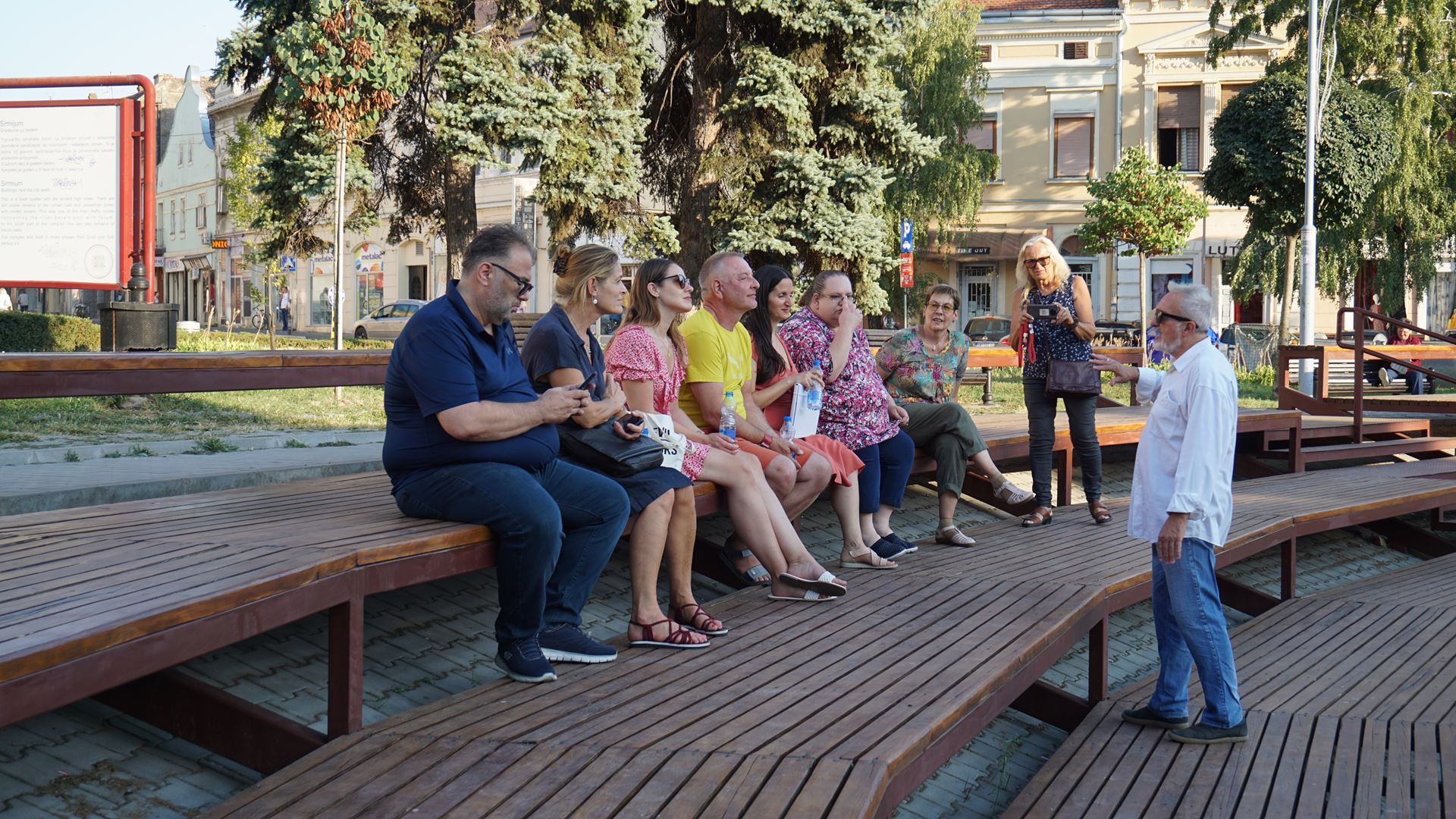
Razgovor sa vodičem o Sremskoj Mitrovici, turstička agencija Uno Travel

Conversation with a tour guide about the city

Neki polaznici letnje škole se predstavljaju

Some summer school participants introduce themselves

– Ja se zovem Kasja.

– Odakle si?

– Ja sam iz Poljske, ali živim sad u Holandiji.


– Zovem se Andžej, ja sam iz Poljske.


– Zovem se Katinka, ja sam iz Norveške.


– Zovem se Varja.

– Odakle si?

– Ja sam iz Rusije, iz grada Pskova.

– My name is Kasja.

– Where are you from?

– I’m from Poland, but I live in the Netherlands now.


– My name is Andzej, I’m from Poland.


– My name is Katinka, I’m from Norway.


– My name is Varja.

– Where are you from?

– I’m from Russia, from the city of Pskov.

Serbian Language and Culture workshop

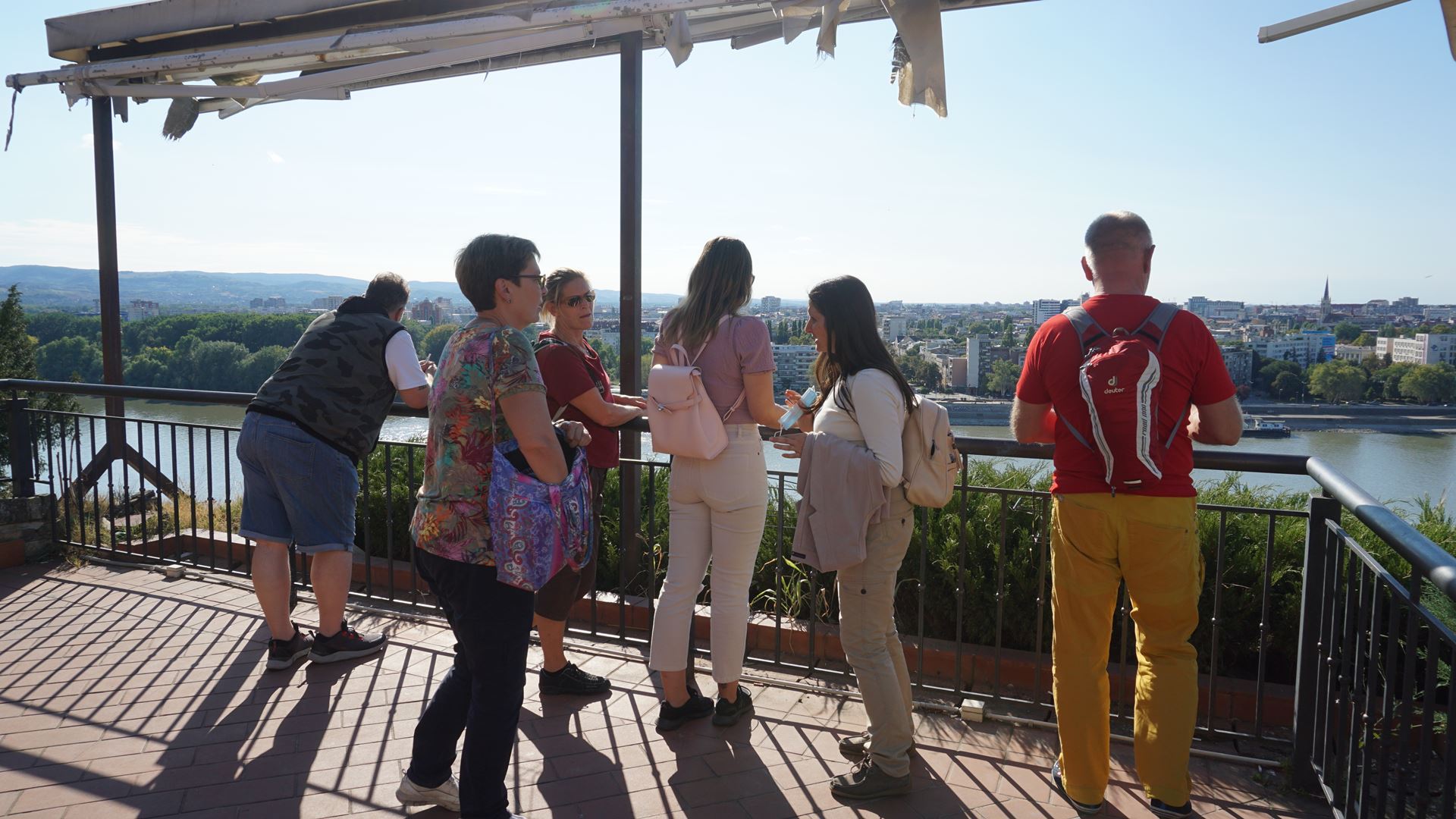
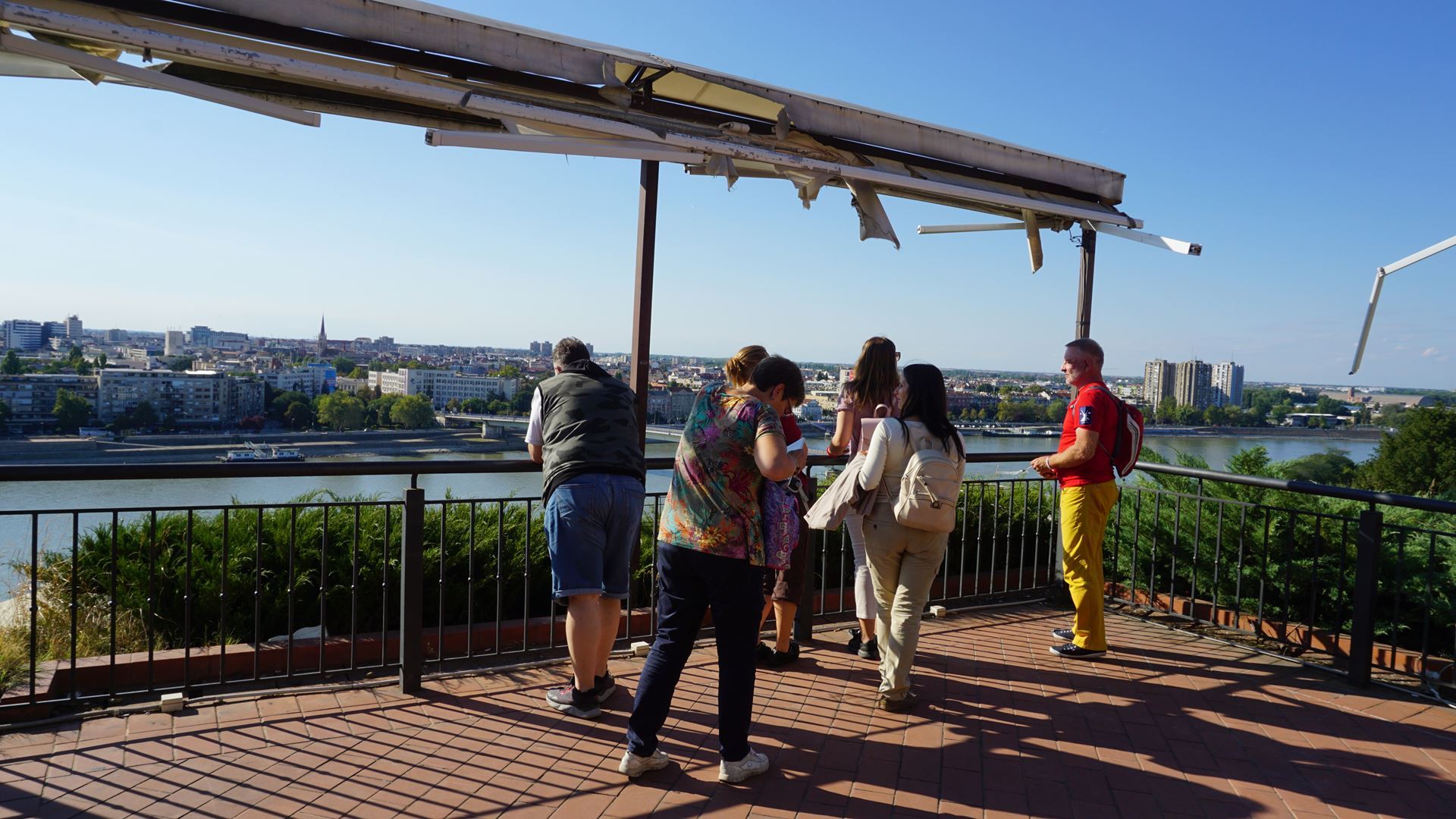
Pogled na Novi Sad sa Petrovaradinske tvrđave

A view of Novi Sad from the Petrovaradin fortress

  Kasja ostvaruje svoj san u našoj Letnjoj školi

  Kassia makes her dream come true in our Summer school

Magdalena: Ti si odrasla u Holandiji?

Kasja: Da ja sam odrasla u Holandiji, da.

Magdalena: I došla si ovde u Sremsku Mitrovicu da učiš srpski sa nama u Letnjoj školi srpskog jezika. Zašto?

Magdalena: You grew up in the Netherlands?

Kassia: Yes, I grew up in the Netherlands, yes.

Magdalena: And you came here to Sremska Mitrovica to learn Serbian with us in the Serbian language summer school. Why?

Kasja: Zašto? Ooo! Ja kad sam bila mala slušala sam srpske pesme kod moje prijateljice koja je iz Bosne, i ja volim srpsku muziku, i srpski jezik. Učim o kulturi i istoriji Srbije, i ovo je moj prvi put u Srbiji, i odlično mi je. Kassia: Why? Ooooooooo. When I was little I used to listen to Serbian songs at my friend’s who is from Bosnia, and I love Serbian music, and serbian language. And I learn about culture and history of Serbs, and this is my frist time in Serbia, and I feel great.

Magdalena: Šta ti je bilo najlepše, šta ti se najviše svidelo?

Kasja: Iz letnje škole?

Magdalena: Da, iz naše Letnje škole srpskog jezika.

Kasja: Za mene je najlepše bilo da učim kolo. Da učim da plešem kolo.

Magdalena: What was the best for you here, what did you like the most?

Kassia: From the Summer School?

Magdalena: Yes from our Serbian Language Summer School.

Kassia: For me it was kolo. Learning to dance kolo.

Ali i muzeji, muzej u Sremskoj Mitrovici je bio super, a i u biblioteci. Sve je bilo super i najbolje, i naše lekcije su bile zabavne. But also museums, the museum in Sremska Mitrovica was great, and also in the library. Everything was great, and our lessons were fun.
Serbian Language and Culture workshop

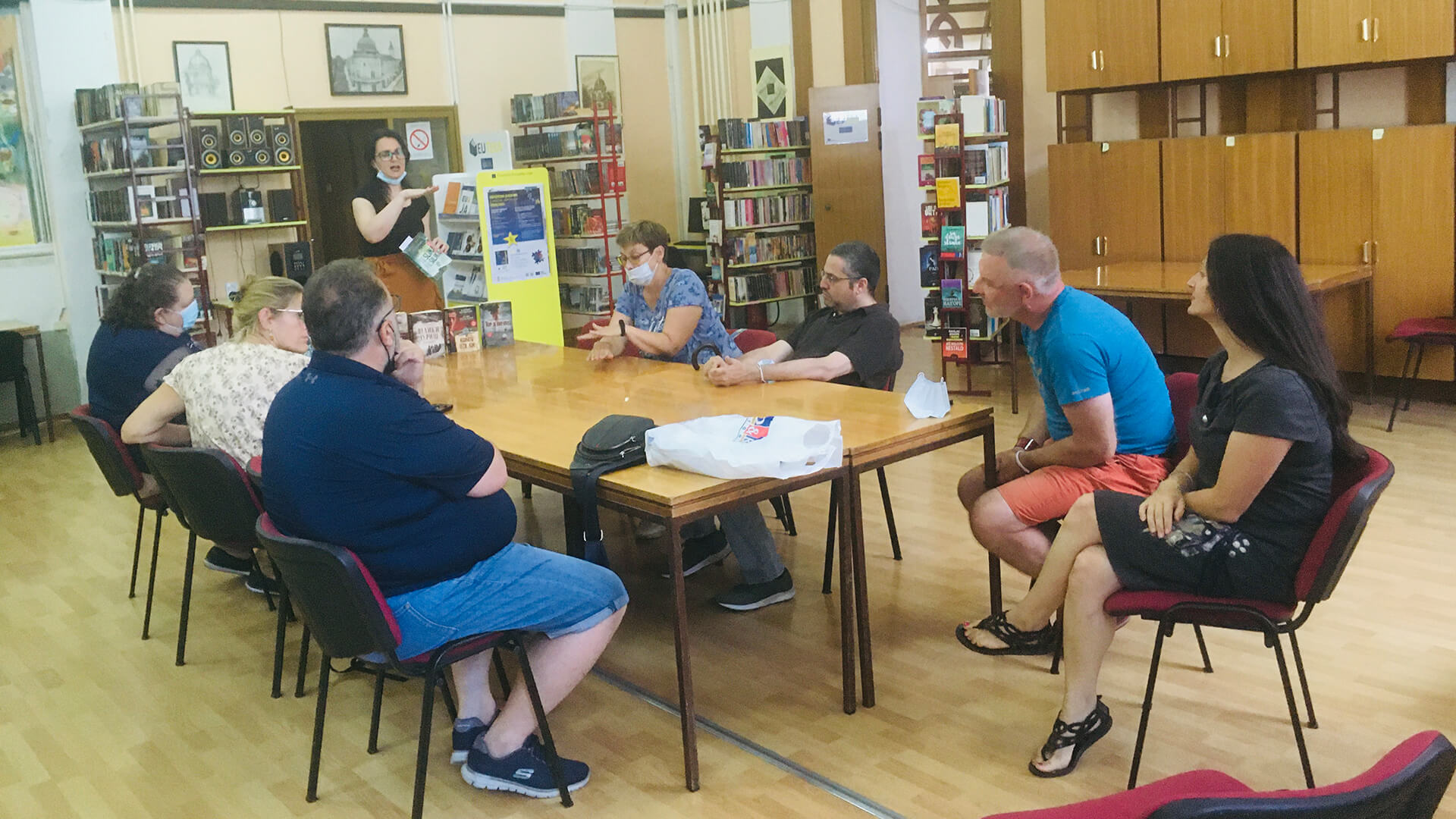
Razgovor o modernoj srpskoj književnosti u biblioteci “Gligorije Vozarović”

Conversation about modern Serbian ligerature at the City Library


Kasja: U Holandiji me pitaju: zašto učiš srpski? Pa ja volim Srbiju i njenu istoriju i ljude, i zato učim srpski. Kassia: In the Netherlands, they ask me: why do you learn Serbian? Well I love Serbia and its history and people, and that’s why I am learning Serbian.
Ljudi ne znaju dušu Srba i kulturu i istoriju, a to je jako važno. I ja pričam u Holandiji to: slušaj muziku, probaj hranu, i upoznajte ljude… People do not know the Serbian soul, their culture and history, and that’s very important. And I say that in the Netherlands: listen to the music, taste the food, meet the people…
Magdalena: Ti si naš advokat, u stvari, u Holandiji. Magdalena: You are actually our advocate in the Netherlands.
Kasja: Nadam se! Kassia: I hope so!

Magdalena: Dobro, hvala!

Kasja: Nema na čemu.

Magdalena: Okay, thank you!

Kassia: You are welcome.

Poseta Sremskim Karlovcima - Letnja škola srpskog jezika Serbonika

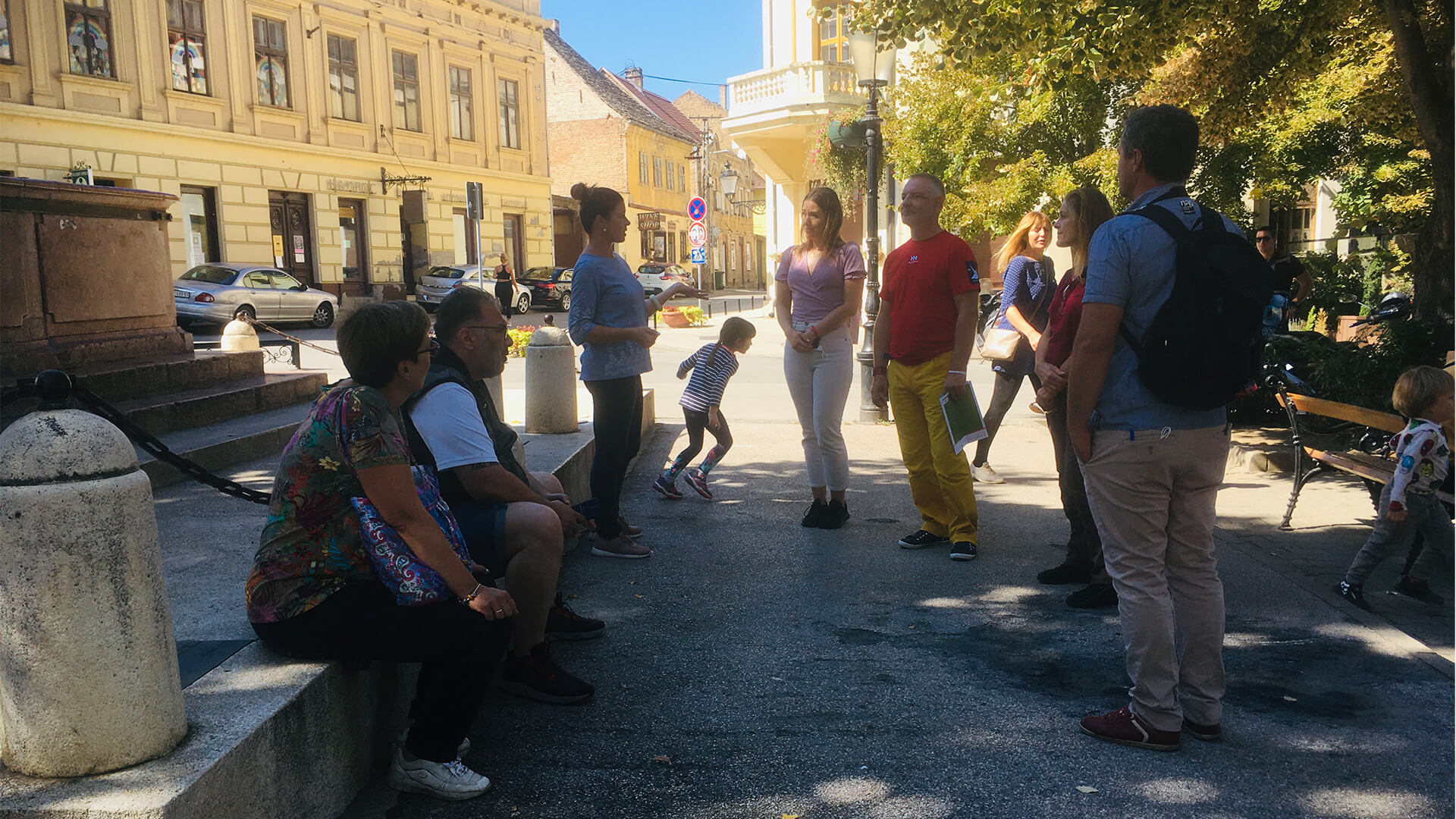
Poseta Sremskim Karlovcima i razgovor sa vodičem

Visit to Sremski Karlovci and a conversation with a guide

  Andžej voli da razgovara sa Srbima na srpskom jeziku

 Andzej likes talking to Serbs in their language

Magdalena: Andžej, učiš srpski u našoj letnjoj školi srpskog jezika u Sremskoj Mitrovici. Zašto?
Magdalena: Andrzej, you are studying Serbian in our Serbian language summer school in  Sremska Mitrovica. Why?
Andžej: Učim srpski u Sremskoj Mitrovici zato što želim da naučim srpski da govorim sa ljudima koji žive ovde na njihovom jeziku da mogu čitati više nego meni u restoranu.
Andrzej: I am studying Serbian in Sremska Mitrovica because I want to learn Serbian to speak with the people who live here in their language so I can read more than a menu in the restaurant.
Magdalena: Šta ti se najviše dopalo u našoj Letnjoj školi srpskog jezika?
Magdalena: What did you like the most in our Serbian Language Summer School?
Andžej: Mogu da kažem istinu?
Andrzej: Can I tell the truth?
Magdalena: Da.
 Magdalena: Yes.
Andžej: Profesorica! Hahaha! Šta, šta drugo? Tokom učenja mi smo imali mogućnost da pijemo kafu, vodu, da jedemo takođe slatkiše, i tako dalje.
Andrzej: The teacher! Hahaha! What, what else? During the lessons we had the possibility to drink coffee, water, to eat sweets as well, and so on.
Naučio sam kada vidim, probam, mirišem, to je za mene najbolji način učenja. I mogu da dodam da posle škole imali smo takođe puno, puno da radimo, znači posetili smo sve moguće muzeje, mislim, u Mitrovici. I learned when I see, try, smell, thats the best way of learning for me. And I can add that after school we also had a lot, a lot to do, we visited all possible museums, I think, in Mitrovica.
Takođe imali smo mogućnost da učimo da igramo kolo, tako da nisam imao vremena da spavam. Also, we had the opportunity to dance kolo, so I didn’t have time to sleep.
To je jedna, ne najlošija stvar, ali ne žalim se, u stvari.  Thats one, not the worst thing, but I am not complainig, actualy.
Puno stvari možemo da radimo ovde. A lot of things we can do here.
Još pitanja? Other questions?
Serbian Language and Culture workshop

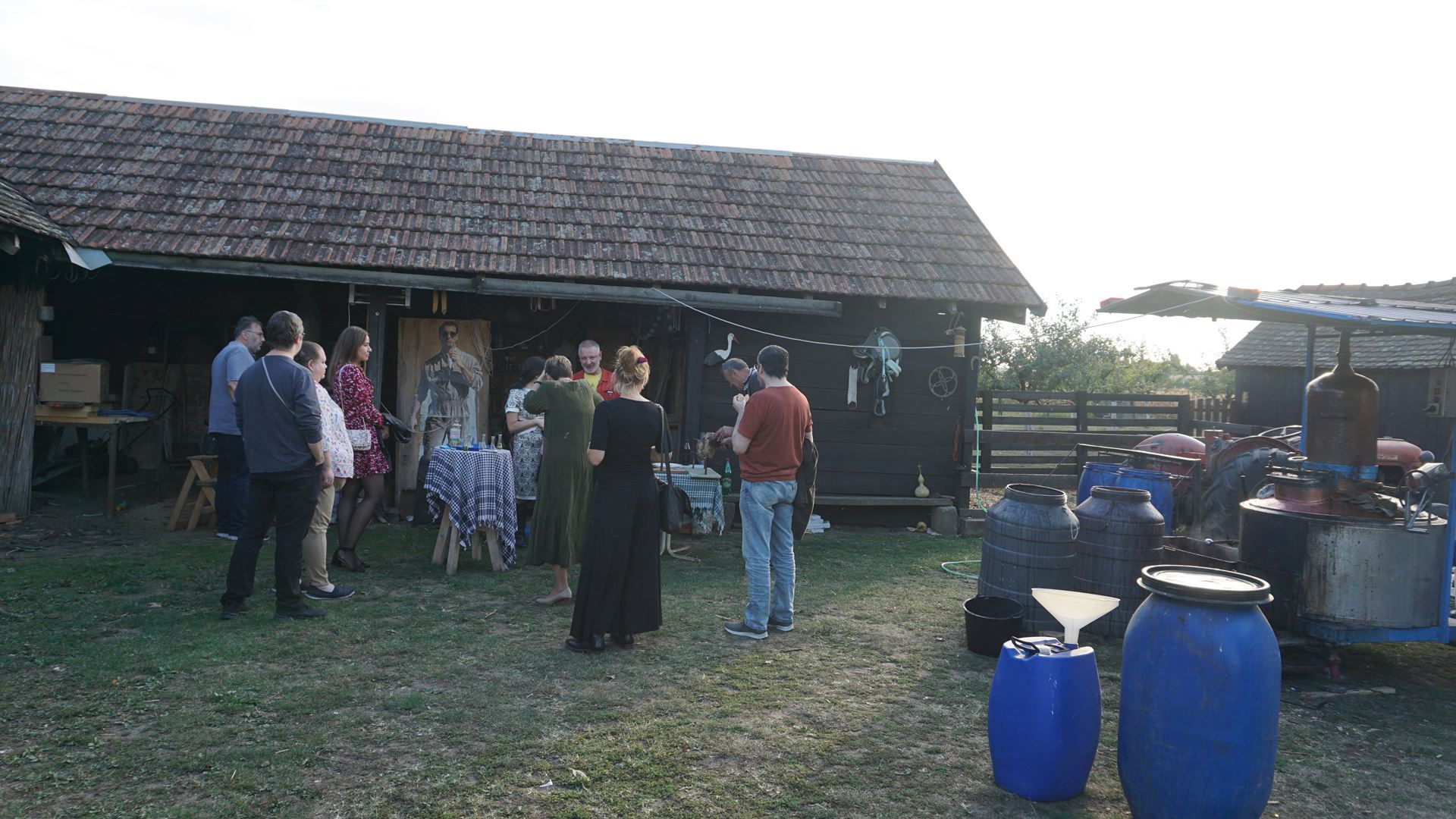
Domaća hrana i piće u vinariji Ilić-Nijemčević

Local food and drink at the Ilić-Nijemčević winery


Magdalena: I kad ste mogli da spavate, vi ste lumpovali, išli ste u kafanu.
Magdalena: And when you could sleep, you partied, you went to a kafana.
Andžej: Da zbog toga što ima puno kafana svugde, gde god se okrenem tamo je kafana ili kafić ili nešto drugo.
Andrzej: Yes because there are a lot of taverns everywhere, wherever I turn around, there’s a tavern or a cafe or something else.
I tamo je uvek gužva, i mogu da pričam sa ljudima koji su tamo, da pričam srpski, šta sam naučio, na primer. And there’s always a lot of people there, and I can speak with the people, to speak Serbian, speak what I’ve learned, for example.
Magdalena: Dobro, da li bi preporučio drugima da uče srpski kod nas?
Magdalena: Would you recommend others to learn Serbian with us?
Andžej: Sigurno. Ovo mesto je apsolutno fantastično. Andrzej: Sure. This place is absolutely fantastic.
Magdalena: Puno hvala!
Magdalena: Thanks a lot!
Andžej: Nema na čemu, ja ću da se vratim sigurno.
Andrzej: You are welcome, I will come back most certainly.
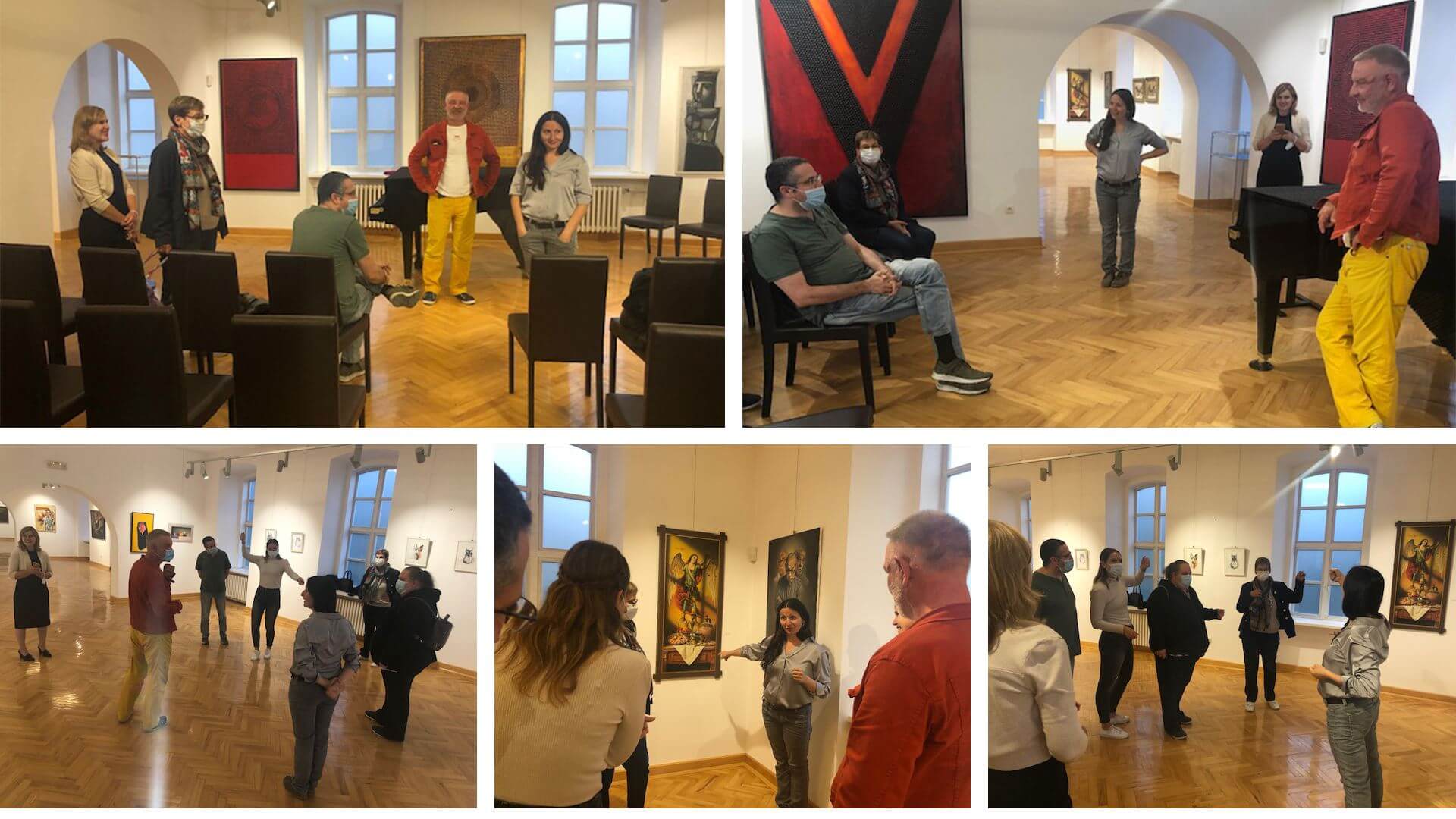
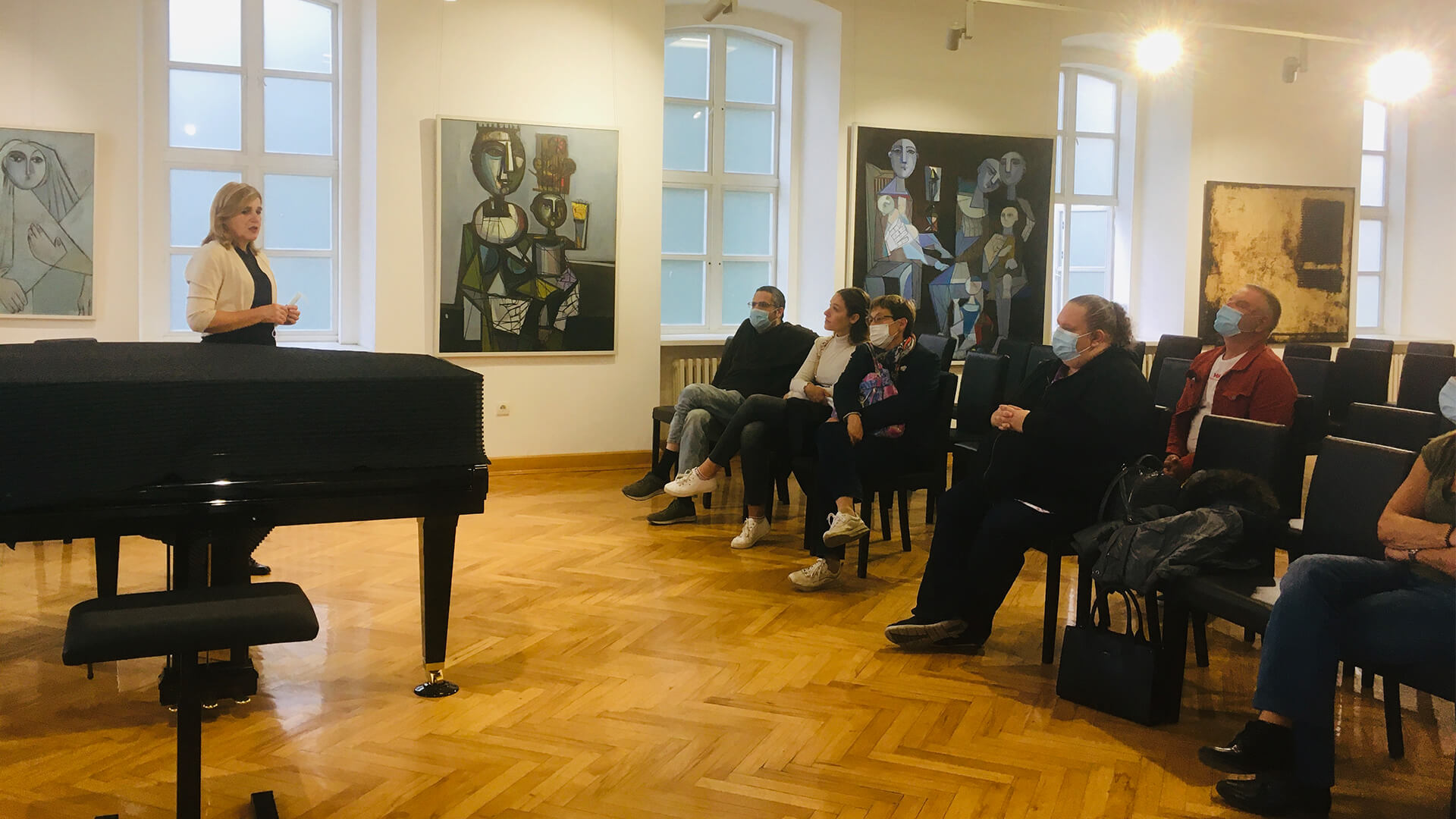
Serbian Language and Culture workshop at a Gallery

Radionica srpskog jezika u Galeriji Lazar Vozarević

Serbian language workshop at a Gallery Lazar Vozarevic

   Katinka ceni kombinovani pristup naše Letnje škole

  Katinka appreciates the combined approach of our Summer school

Magdalena: Katinka iz Norveške. I bila si ovde u Sremskoj Mitrovici sa nama?

Katinka: Za letnju školu srpskog jezika, da. I to je bilo odlično. Ja sam mnogo učila. Bilo mi je teško, bilo mi je zanimljivo, i bilo je odlično.

Magdalena: A šta ti je bilo najbolje, šta je bilo najlepše?

Katinka: Najlepše… Ja mislim da biti sa ovom grupom zajedno. Ne mogu da kažem jednu stvar koja je bila najlepša, ali to su bile različite stvari.

Mi smo učili u učionici, išli smo na izlete, u posete, mi smo plesali kolo, i to je bio jedan veliki paket.

Magdalena: Mozaik.

Katinka: Mozaik, da, da.

Magdalena: Da li bi preporučila Norvežanima da uče srpski sa nama?

Katinka: Da, da. Program je super, i profesorica je odlična, ali jedna od najboljih stvari je to što je Sremska Mitrovica je mesto koje nije veliko, intimno je, malo, i svaki dan ili svaki drugi dan možeš da sretneš nekog koga si upoznao skoro, i to je lepo.

Magdalena: Da. Kao kod kuće.

Katinka: Kao kod kuće, da.

Magdalena: Hvala.

Katinka: Hvala ti.

Magdalena: Katinka from Norway. And you were here in Sremska Mitrovica with us?

Katinka: For the Serbian Language Summer School, yes. And that was excellent. I studied a lot. It was hard for me, it was interesting, and it was excellent.

Magdalena: And what was the best for your, what did you enjoy the most?

Katinka: The nicest… I think it was being together with the group. I can’t single out one thing that was the best, but there were many different things.

We learned in the classroom, we went on the field trips, to visits, we danced kolo, and it was a one big package.

Magdalena: Mosaic.

Katinka: Mosaic, yes, yes.

Magdalena: Would you recommend Norwegians to learn Serbian with us?

Katinka: Yes, yes. The program is great, and the teacher is excellent, but one of the best things is that Sremska Mitrovica is a place that is not big, it’s intimate, small, and every day or every other day you can bump into someone that you’ve just met recently, and that’s nice.

Magdalena. Yes. Like at home.

Katinka: Like at home, yes.

Magdalena: Thanks.

Katinka. Thank you.

Serbian Language Summer School

Ćaskamo dok čekamo piće u kafiću-knjižari BukBar

Chatting as we wait for drinks at a cafe-bookshop BookBar

   Varja poziva Ruse da više uče srpski

  Varja invites Russians to learn Serbian more

Varja: Zovem se Varja. Ja sam iz Rusije, iz grada Pskova.

Varja: My name is Varja. I am from Russia from the city of Pskov.

Magdalena: I došla si u Sremsku Mitrovicu da učiš srpski kod nas u našoj Letnjoj školi srpskog jezika.

Magdalena: And you came to Sremska Mitrovica to study Serbian in our Serbian Language Summer School.

Varja: Da, da, ja sam upoznala Magdalenu pre nekoliko godina i učila sam srpski preko interneta, i drago mi je da sam je lično upoznala, i mogu da kažem da je to bilo divno iskustvo za mene.

Varja: Yes, yes, I met Magdalena few years ago and I studied Sebian over the internet, and I’m glad that I’ve met her in person, and I can say that it was a wonderful experience for me.

Magdalena: Šta ti je bilo najlepše?

Magdalena: What did you like the most?

Varja: Najlepše mi je bilo što mogu da razumem sve. Kad smo išli na ekskurzije, i tokom eksurzija sam mogla da slušam srpsku reč, i iznenadilo me što da mogu da razumem praktično sve. Možda ne govorim još tečno, ali nadam se da ću napredovati u srpskom. Varja: The best for me was that I could understand everything. When we went to the excursions, and during the excursions I could listen to Serbian speech, and I was surpised that I could understand practically everything. I may not speak fluently yet, but I hope that I’ll make progress in Serbian.

Magdalena: Sigurno. I odlično govoriš.

Varja: Mislim da još ne.

Magdalena: Definitely. And you speak excellently.

Varja: Not yet, I think.

Magdalena: Težimo savršenstvu.

Varja: Da, da.

Magdalena: We strive for perfection.

Varja: Yes, yes.

Magdalena: Dobro. Hvala puno Varja. I, da li bi preporučila drugima da uče srpski sa nama?

Magdalena: Okay. Thank you a lot, Varya. And, would you recommend others to study Serbian with us?

Varja: Da, naravno. Žao mi je što Rusi malo uče srpski. Ali mislim da za Ruse to nije baš teško, a kod Magdalene posebno.

Varja: Yes, of course. I’m sorry the Russians don’t learn Serbian much. But I think that for the Russians it’s not that hard, and with Magdalena especially.

Magdalena: Puno hvala.

Varja: Hvala!

Magdalena: Thank you a lot.

Varja: Thank you!

Serbian Language and Culture workshop

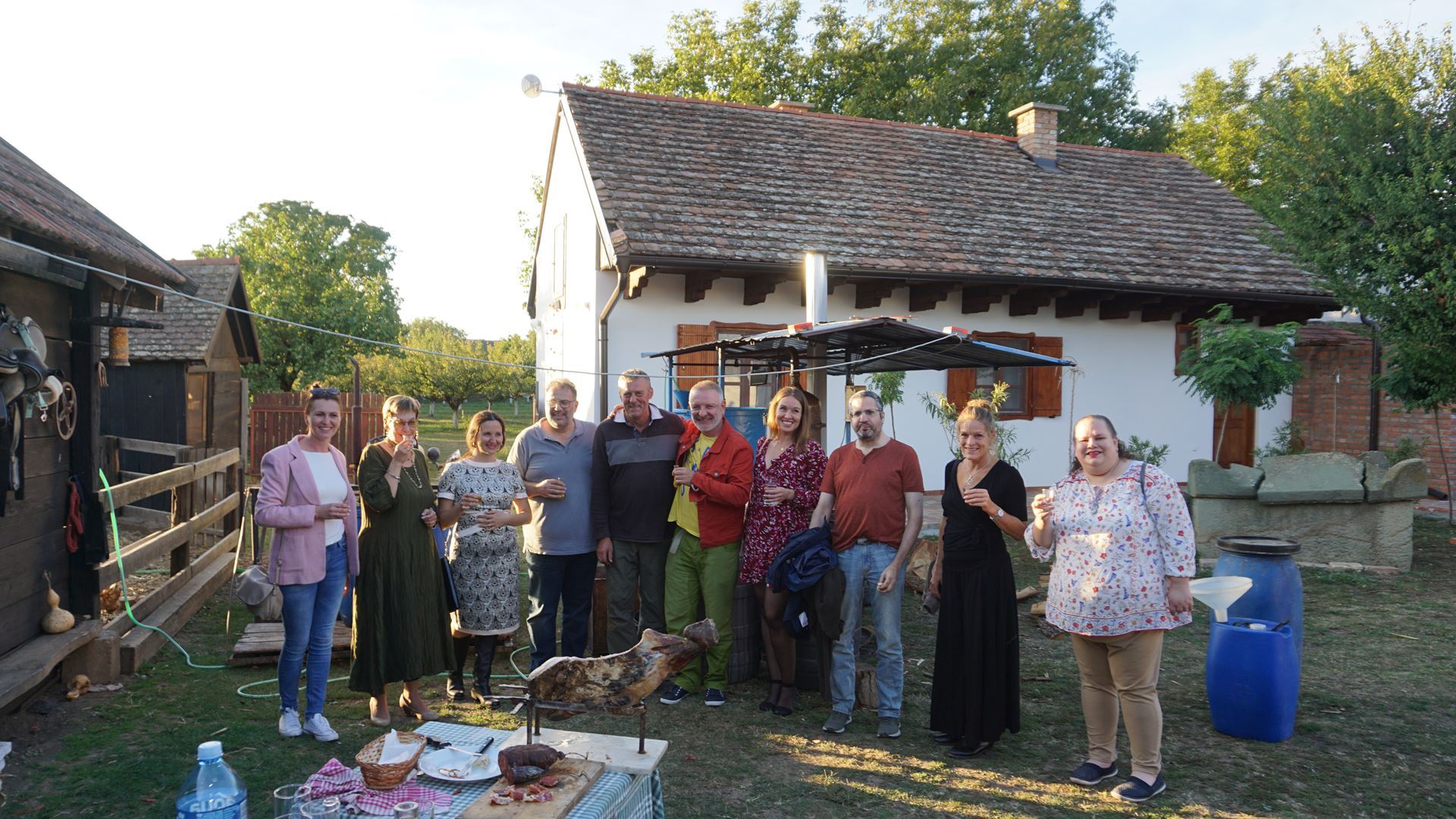
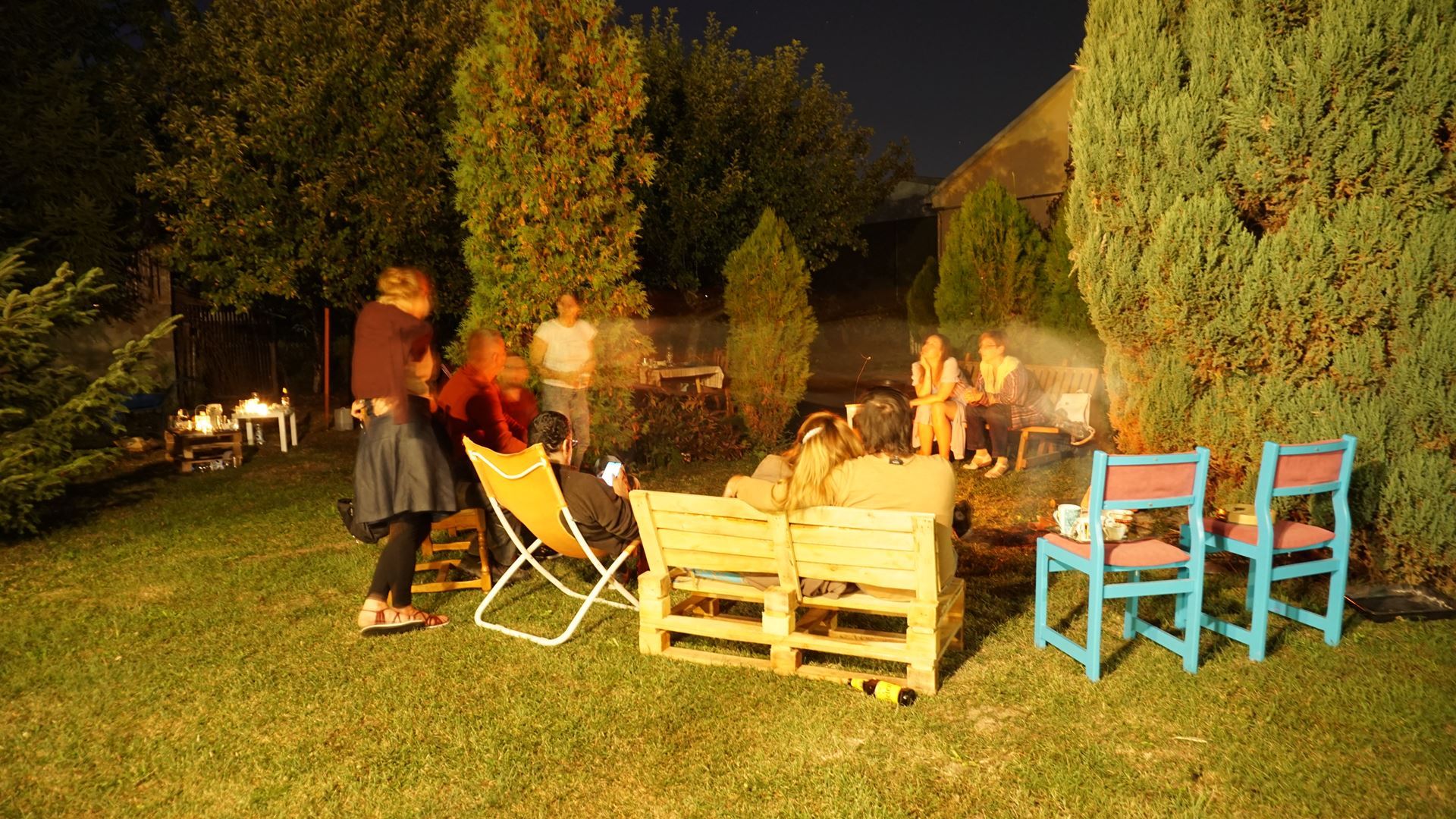
Veče na salašu na kraju Letnje škole srpskog jezika

An evening at a salaš in the end of our Serbian language summer school

   Bliži se kraj naše Letnje škole srpskog jezika…

  The end of our Serbian Language Summer School is near…

Andžej: Hteo bih nešto da kažem, samo tri reči: hvala, hvala, hvala.
Andrzej: I would like to say something, just three words: thank you, thank you, thank you.
Ali ako želite, mogu da kažem više. Fali mi puno puno reči da mogu da opišem kako smo mi srećni, kako smo mi zadovoljni, kako ova škola, vaša škola, vi ste vrhunski. But if you want, I can say more. I miss a lot of words to describe how happy we are, how satisfied we are, how this school, your school, you are top-notch.
Mustafa: Ne, naša škola. Mustafa: No, our school.
Andžej: To je prvenstvo sveta po mom mišljenju. Andrzej: That’s championship of the world, in my opinion.
Vi ste vrlo srdačni, dobri ljudi, najbolji ljudi. Mi smo svi zahvalni, zadovoljni. You are very warmhearted, good people, the best people. We are all grateful, satisfied.
Škola je, nisam nikada video školu kao što vi imate. To je škola, to je život, to je društvo, to je sve, sve moguće. The school is, I have never seen a school like you have. That’s school, that’s life, that’s company, it includes everything, everything possible.
Ja nisam nikada mislio da je to moguće u ovom vremenu na svetu. Kod vas to je moguće. Tako da cenimo to vrlo visoko.

I’ve never thought that’s possible at this time in this world. With you, that’s possible. And we appreciate that very much.

Magdalena: To je moguće samo zato što ste svi vi toliko divni. Samo zato.

Magdalena: That’s possible only because all of you are so wonderful. Only because of that.

Andžej: Nisam završio, nisam završio, ne možete da…

Andrzej: I’ve not finished, I’ve not finished, you can’t…

Magdalena: Nemam reč, nemam još uvek reč.

Magdalena: I’m not allowed to speak, not yet.

Andžej: Za kraj hteo bih da kažem da nadam se, nadamo se, da možemo da se vidimo u budućnosti nekad, ali sad moramo da odlazimo…

Andrzej: In the end, I would like to say that I hope, we hope, that we can see each other in the future sometimes, but now we must go…

I tako, još jednom, tri reči: hvala, hvala, hvala.

Again, three words: thank you, thank you, thank you.

Magdalena, mislim da…

Mustafa: Magdalena, ako počneš… Pričaj, pričaj!

Magdalena: Ja sam ove dve nedelje jako puno pričala, a sad sam ostala bez teksta. Sad sam ostala bez teksta, stvarno. Ganuli ste me, ganuta sam.

Magdalena, I think that…

Mustafa: Magdalena, if you start… Speak, speak!

Magdalena:I talked so much in these two weeks, and now I am speechless. Now I am speechless, really. You moved me, I am touched.

Acknowledgements / Zahvalnica

We are so thankful to all of you who helped us realize our first Serbian Language Summer School.
Jako smo zahvalni svima vama koji ste pomogli u ostvarenju naše prve Letnje škole srpskog jezika.

Najpre mnogo, mnogo hvala našim učenicima i gostima: Varja, Kasja, Katinka i Jugo, Džen i Džon, Brus, Mustafa i Andžej. Bez vas se ova letnja škola nikada ne bi desila!

Puno hvala našim prijateljima, kolegama i institucijama na divnoj saradnji, podršci i pomoći. Bez vas ne bismo mogli da organizujemo ovako kvalitetan program! Svojom predusretljivošću su nas zadužili:


Želite da dođete ove godine? Vidite detalje o letnjoj školi i prijavite se na srpskom

Would you like to come this year? See details about the Summer school and apply in English

Jedva čekamo da vas upoznamo! We’re looking forward to meeting you!
 

Serbonika

Najbolja metoda za učenje srpskog jezika

The best method to learn Serbian

All about Teaching and Learning Serbian: an Interview

All about Teaching and Learning Serbian:

an Interview for the English Podcast in Serbia

If you wander about the core principles of my teaching and the method I’ve developed for learning Serbian, don’t miss this interview I had with Michael of the English Podcast in Serbia in September 2021. We talked about how I started teaching Serbian, why I chose this profession, what methods are the most efficient, and basically all about teaching and learning Serbian as a foreigner.

Need a quick 0 boost? We get you approved instantly—no long wait, no hidden fees. Simply fill out the short online form, and if you’re eligible, the money lands in your account within minutes. It’s perfect for covering surprise bills or urgent expenses while keeping your credit score intact. get your 0 loan in minutes and say goodbye to stress—because life moves fast, and so can your finances.

We’ve transcribed the podcast here if you’re a reader, like myself. You can also scroll down for the video format, if you prefer to watch or listen to this episode.

How Magdalena began teaching Serbian


Michael: We all know that the Serbian language is a language that doesn’t have many speakers nor high-level teachers. There are many teachers of English, German, or French, but not Serbian. So, how did you get into teaching Serbian

Magdalena: I am a Serbian language teacher. I graduated in Serbian literature and language in Novi Sad, that’s all I’ve always wanted to be. However, I wanted to work with Serbian kids in a Serbian school. But even as I was studying at the university, I started teaching languages because before that, when I was a little girl, I was fascinated by French and English. Those were the first languages that I started learning when I was 8 years old. So at the university, I took Italian as a third language just because I liked learning it, for no other reason. I learned it so well that I started teaching Italian. And that was the first foreign language that I started teaching. That was in 2004/5.

Therefore, learning foreign languages made me want to teach my language as a foreign language. I exchanged with foreign people, with whom I spoke in English, Italian or French. And in that exchange of culture and language, you are forced to start teaching your own language, because it’s who you really are. Your language is what you think, what your mind is wired like. But I definitely decided that it’s what I want to do as 100% of my time in 2013, when I was in Greece.

I got a scholarship to study the Greek language at the University of Ioannina and I went there. I remember saying that it was my plan to teach Serbian to foreigners full-time when I come back home to Serbia. At that time I worked as a translator and book editor and I wanted to change because I got tired of being alone with my books and laptop. That’s how I decided to start teaching Serbian 100%.


Michael: What made you want to go all in with the Serbian language?

Magdalena: When I do something I tend to give all that I can give, and I can’t give all that I can to a lot of different professions. That’s how it goes for me. But I still teach Croatian as well.

I didn’t finish my thought here, what I was trying to say is this: I still teach Croatian a couple of classes a week, but I intend to stop that after taking my last Croatian students to C2, and go on 100% Serbian.

Differences between Croatian and Serbian (read all about these differences)


Michael
: Isn’t Croatian the same language?

Magdalena: Linguistically, it is the same language. I have to change my accent when I teach Croatian, and I had to learn some subtle differences, but that doesn’t make it a completely separate language. If I spoke only Serbian and Croatian, I wouldn’t call myself bilingual. But when I teach Croatian, I use Croatian books and I change what needs to be changed. And still, sometimes I make mistakes. But the differences are very small, like between British English and American English. Imagine yourself teaching American English.


Michael: When I was studying some Serbian, I noticed that in Croatian they ask questions differently. It’s more emphasis on the li, like they’ll say Mogu li? Možeš li? And in Serbian it’s Da li možeš?

Magdalena: I will tell you a secret. That’s a strict Croatian standard rule, but people still use “da li” when they speak naturally. Besides, my husband and I live in Sremska Mitrovica, which is on the road to Zagreb and very close to the Croatian border and to the Bosnian border. So there are all kinds of people in the town. We have people from Croatia and Croats from Srem etc. It was politically problematic area in the past, but I don’t want to speak politics here. Anyway, languages spill over borders. And in this region, we witness a language continuum.

Language spillover or a language continuum


Michael: Can you explain what is a language continuum?

Magdalena: Language continuum means that the language spills over the borders. For example, in South Serbia people speak a language or dialect that is close to Macedonian and Bulgarian. In the part of Croatia that is close to Slovenia, which is called Zagorje, they speak a dialect that is close to Slovenian. So, in the part of Serbia where I live now, we’re close to Bosnia and Croatia. Originally, I come from central Serbia so I can notice the difference between these two areas. For example, in central Serbia, we say mesara for ‘butchers’ but in Sremska Mitrovica we say mesnica (which is Croatian standard). But everybody understands all these varieties and differences.

(Read about language continuum or dialect continuum on Wikipedia.)


Michael: I’ve heard that in North Serbia, in Subotica, people speak a bit of Hungarian as well. Right?

Magdalena: There are Hungarians there and Hungarian is also an official language in that region. When you go to Subotica, you can read official announcements in Serbian and Hungarian. However, these two languages are so different that we don’t have that continuum. But what we have from that continuum is the change in the accent. So the people in Subotica speak Serbian with a Hungarian melody. When I was a student in Novi Sad, I met many people from Subotica and I’ve always found their singing accent amusing.

The most difficult thing for learning Serbian


Michael: What has been the most difficult thing for learning Serbian as a foreigner?

Magdalena: The most difficult thing about learning languages, in general, is consistency and not giving up. Because learning a language takes a lot of time. Some people still don’t understand that. They’re misled by some different definitions of learning a language and fluency. Some of them take the A1 level, which you can get in a couple of months, if you study hard, and call that fluency. But that’s really not fluency.
However, if we talk specifically about the Serbian language, the most difficult things are cases and the verbal aspect. The cases come right on the first level and the verbal aspect comes later.
And not to forget the word order. That’s also confusing oftentimes. I have students on a B2 level (high intermediate) who understand each and every word in a sentence but still have difficulties in connecting them into meaning because of the word order. Then I teach them how to hunt the meaning and how to connect the words.
What causes that trouble are not only the clitics (the little words that jump around the sentence), but the fact that we don’t always follow the subject-verb-object order in the sentence. When we want to emphasize, we will put the object first and then some adverbs etc. and then come to the subject in the end. So that’s also tricky, but you get to it only at B1. At A level, we use simple sentences so as not to confuse people.

Recommendations for learning Serbian for the first time


Michael: Would you say that it’s better to approach Serbian learning it from books and from grammatical point of view first, or do you go straight into talking with people in person? What would you recommend for someone who wants to learn Serbian for the first time?

Magdalena: I’ll try to explain that from my personal story. When I started teaching Serbian I didn’t have anyone to tell me how to do it. So I bought books and I wanted to teach by the book because that was all I could do at that time. I had a British student who had been living in Novi Sad for a couple of years. He had a Serbian wife, had a company there and he wanted to finally learn the stuff. So we started by the book and at one lesson he took his notebook and a pencil and said: ”Okay! Let me learn those Serbian cases!” I stood in front of the white board and started explaining. Case by case: nominative, accusative, etc. That’s what he asked, that’s what I gave. But if you had asked me now to do that for you, I would have never done it. That’s not how you can learn it. Often, I have students who come to me and say that they have been learning Serbian for six months or a year and they have learned all the grammar, but they can’t speak at all and don’t understand anything. That’s because of the grammar approach. (Read about a fascinating experience that made me change my teaching style.)

Since the books didn’t help, I decided to write my own program with my own approach. Firstly, I wrote an A1 course on the Serbian Courses website and then we made a Serbian learning platform on the Serbonika website. The old website wasn’t that modern. We just had videos for learning and pdfs for printing and doing exercises. On the new website, we have all sorts of exercises and a lot of images and tasks and quizzes and all the modern stuff, and we go very slowly with the grammar. It’s very rich in content, audio, visual and textual. (Check out and try free!)

And my approach is this: I give my students a piece of grammar and I give them a lot of words that they can use with that grammar. Therefore we don’t learn a bunch of grammar at once but we give some grammar and then lots of phrases and words to work with. But we also have another approach – the lexical approach. It means that students are learning words and phrases as they are, without necessarily understanding the grammar behind them. But these are the basic phrases that they will use every day. So they learn phrases by imitating pronunciation. That’s why we always have audio files that students listen to and imitate.

However, we don’t neglect grammar, because as they build up their grammar understanding, the sentences that they have been learning will make more sense. So they have two parallel paths that they need to follow: lexical and structural.

One of my witty students said that the problem with the inflected languages is that they are not inflected enough. Which is to say that one ending serves different cases. For example, you have -a ending for feminine gender singular žena (woman), and then you have the same -a ending for neutral gender plural jaja (eggs). The language is not inflected enough to make strict differences. And it goes on with other cases. So you have this –og –a ending for accusative masculine gender animate (Imam dobrog prijatelja) and it’s the same in the genitive case for masculine gender for all – animate and inanimate (od ovog crnog televizora). But we go step by step, drill it in and add on information. At the same time we learn lots of vocabulary, lots of words and phrases, and in the end eventually it all makes sense.

The future for Serbian learning


Michael: What would you say you see as the future for Serbian learning?

Magdalena: I would say Serbonika. (laughter) But I’m not saying it without grounds. It is a program that works. If you start learning from other books, you will find a grammar compilation with some texts. What I did is, I wrote a program that teaches grammar and then gives a lot of meaning to that grammar. That’s why it works.

Michael: Why is the Serbian language growing?

Magdalena: I think that in the past 10 years learning foreign languages generally has expanded because of the internet and lots of materials that are available today. When I started learning English, or even later when I started learning Italian at the university, I had to use paper dictionaries. At that time, we didn’t have that much material online and especially not free information available.
Today we have marvelous dictionaries for English online. But for Serbian, we only have one-language dictionaries. We don’t really have Serbian to English dictionaries online worth recommending. That’s the reason why I always suggest using Google Translate, but to translate word for word, not whole paragraphs.
And that’s not only about dictionaries, we don’t have that much material in general. However, what is definitely sure is that more and more people are interested to learn Serbian. When we published our first course on the Serbian Courses website, there was only one or two more, and now I can see that it’s growing. More and more people are teaching Serbian, so it means that there are more people who want to learn Serbian. So, the future of Serbian learning is definitely expanding.

Michael: What do you think is the reason why more and more foreigners want to learn Serbian?

Magdalena: We’ve had a lot of Serbs going abroad after the First World War, the Second World War and it continues nowadays. A lot of people left and are still leaving. So the ones who left a long time ago now have their descendants who want to learn Serbian. Also, the new generation that goes abroad for work makes friends or partners. And their friends and partners want to learn Serbian. In my experience, there are not many foreigners who actually come to live here and want to learn Serbian. It may be because I work online, but I’ve found that it’s the people that live abroad and come here for a visit or have Serbian friends or relatives who actually learn Serbian.

Teaching methods Magdalena implements


Michael: Do you do any roleplaying with your students?

Magdalena: No, not much. But it can be fun. However, what I do is that I talk about the student and myself. And that’s what teaching really is. We create friendships. I learn about my student. When they tell me about their parents or friends – where they live, what are their names – I remember that. When they write me their essays about their best friends, I remember their names and other things.
So next time, I’m able to ask them about their friend in Serbian and they understand me. For example, they may not remember the word for friend, but if I say: “Does your friend John, who is a doctor, have children?” they will connect, understand and remember. That’s what gives confidence to the student and it really feels good.

Michael: Therefore they feel appreciated and they feel that you’ve invested.

Magdalena: Not only that. The best part is that they understand what I’m talking about and they can understand me at the beginning of learning the Serbian language. So I mostly talk about real life and when they tell me they like something, for example Lord of the Rings, then we start talking about Smeagol, and what are elves or dwarfs or orcs like. It makes them engage in the conversation. Roleplaying is good for the classroom, but I think it doesn’t work that much when we do one-on-one. I never found that to really work for me.


We didn’t get to talk about this in the interview, so I’m adding here:
I use a lot of conversational drilling, which are improvised guided conversations to make students remember the words they’ve learned and practice grammar. I will show them around my house or office, show my objects, when appropriate. I never hesitate to talk about personal opinions and experiences, but I never ask my students to talk about something they don’t want to talk about.
Above all, I aim to teach my students to say as much as they can with as little as they know.
With groups, I use games, discussions and theater techniques. I invent games and instruct my students to practice specific skills with them, depending on the curriculum. My main goal is to connect the group and encourage their exchange and conversation in Serbian, so that they even forget that they’re learning and being scrutinized at the moment, as their main goal becomes to communicate, win the game, or prove their point.

Magdalena’s goals with Serbonika


Michael: What are your goals with Serbonika?

Magdalena: We only have the A1 level completed on Serbonika at the moment, and it’s a lot of material. Now we are compiling the A2 level, piece by piece, and we’re publishing small courses. For the A1 level, we have more than 10 little courses. Because when everything for one level is in just one course, the learner gets lost easily and the course could look unconquerable that way. So we have small courses that people can do quickly, move forward, and feel success every time they complete a course.

Now we moved on to the A2 level, where we only have 2 courses at the  moment. One is completely dedicated to the locative case. We go step by step with the locative case, because it has a lot of different endings. So first you learn only singular nouns, then plural nouns, then we add adjectives singular, and finally adjectives plural. And of course, it goes with a lot of examples, sentences, texts, and dialogues. My plan is to move on like that and complete the A2 level and add B1 next year.

I will complete A1 and A2 levels. For B1, I will at least have a drill support, because you cannot possibly make up for real conversation practice on a website or in a book. For that reason, we will have companions and workbooks, for example, for B1 and B2 levels, but they’re not to be used alone. Because you have to use the language – to speak and to write it.

And there is one more thing that we added to Serbonika. All of the main courses now end up with a test that you can take and that requires you to write and to speak your own sentences. At the beginning to answer questions freely and record yourself answering questions. And we have a real teacher looking at that and sending real personal feedback to the learners. That’s how we can make up for the lack of lessons.

On the other hand, we started organizing group courses with people who are going to use the Serbonika platform and work with a teacher. Each group has its own Skype room where they can exchange in Serbian. They can meet outside of class to practice or to work through the material together and they have scheduled lessons with the teacher, because that’s what really makes you move forward.

Also, we are preparing A1 level video series in Serbian. That’s going to be fun and useful.

Serbian Immersion Camp for B1+ learners


Another thing that we have is Serbonika Summer School. This is new and I’m so excited about it. It’s in about two weeks. Students are coming to our town on September 12th and on 13th we start off with the lessons.

They will have lessons every working day from 10 am to 1.30 pm and in the afternoon we will visit different institutions and we will have a host that will talk to us. He will hold a lecture, for example about Serbian literature at the library, then a lecture about Serbian history in the Museum, etc. In the second week we will have a lesson about Ancient Roman History, because our town Sremska Mitrovica was one of the major Roman cities. We will also visit the prison in Sremska Mitrovica. It’s a very old and huge prison with a museum hall. That prison was built in the Austro-Hungarian Empire and it was important in the First and Second World Wars. So we will also have lectures on History and see all the exhibitions. We will have excursions as well.

We have a group of B1 level students, but some of them are able to understand much more because they are Slavic speakers. But I didn’t want to make a beginner’s group because that’s not how you make the most of the experience. They must complete the A1 level at least in order to come and really learn. B1-B2 is an ideal level for this kind of learning.

I want the students to be prepared for lessons and discussions and we’ll do grammar drills as well, but I’ll also prepare them to get the most of their afternoon activities. In the afternoon activities, I will face them with natural Serbian speakers that are not used to speaking to foreigners. Of course, I’ll be there to help when needed, but they will be prepared beforehand and they will be aware of the vocabulary that will be used.

Are exams and certificates necessary?

Michael: Is this Serbonika course certificate official?

Magdalena: No, it’s not. We issue our certificate and when you get it, it means that you have finished a certain course and passed the exam, but it’s not an official certificate. You can put it in your CV, but you probably can’t use it to enroll in the university. Actually, I don’t know what their requirements are, but it’s not a state exam and I don’t want it to be.

And the reason is that the state and the official exams insist on Cyrillic. And I don’t want to force people to learn Cyrillic in a country where everything is written in Latin.

It’s an obstacle that some people are not willing to deal with, and I understand them. I’m fluent in Greek, at a C2 level, and I can tell you this: never in my life will I be able to read the Greek script with such an ease with which I read the Latin and Cyrillic script. Even though both Latin and Cyrillic scripts derived from this Greek script.

I’m not saying it’s that hard or impossible to learn Cyrillic, of course. It differs slightly from the Latin script, it relies on the same principles, it’s not Chinese! But some people don’t want to do it. They want to learn Serbian just to talk to their friends, to understand their family.

I treat reading and writing Cyrillic as a separate skill, because it definitely slows down the learning process. So, all the instructive material is in the Latin script and then if you want to learn Cyrillic, you can learn it separately.

From my perspective, it’s an advantage to be able to teach and learn Serbian in the Latin script. You will learn the language and get to use it quicker, and then you can learn Cyrillic even at the C2 level, if you want.


Michael: Do you think that getting an official certificate in Serbian is necessary to work in Serbia?

Magdalena: No, as long as you speak English, you can work anywhere except some positions that specifically require knowledge of the Serbian language. But still, I don’t think you have to have a certificate for that. I think you only need a certificate if you want to study at a Serbian University.


Watch the whole interview here:


Thank you very much, Michael, for this interview. It was the first time I was on the other side, it was always me who asked questions. So I was very excited about it and I’m very happy and thankful that you invited me. I hope that some people will get good ideas from this talk.

Serbonika

Najbolja metoda za učenje srpskog jezika

The best method to learn Serbian

All Shapes of the Future Tense in Serbian and Croatian Language

All Shapes of the Future Tense in Serbian and Croatian Language


When you first learn the future tense in Serbian and Croatian, it looks pretty simple and straightforward. It is only later that you realize how many different shapes it can take. How to make sense of all those forms.

The Basic Future Tense in Serbian and Croatian

Need a quick 0 boost? We get you approved instantly—no long wait, no hidden fees. Simply fill out the short online form, and if you’re eligible, the money lands in your account within minutes. It’s perfect for covering surprise bills or urgent expenses while keeping your credit score intact. get your 0 loan in minutes and say goodbye to stress—because life moves fast, and so can your finances.

The future tense in Serbian and Croatian is formed of two parts. The first is the verb hteti as a helping verb, and the second is the infinitive of the main verb. (Read more about the verb hteti here.)

To form the future tense, we just use the short forms of the verb hteti and an infinitive:

Ja ću čitati.               I will read.
Ti ćeš čitati.             You will read.
On će čitati.             He will read.

Mi ćemo čitati.         We will read.
Vi ćete čitati.            You will read. (pl)
Oni će čitati.             They will read.


But then you’ll soon learn the other way to formulate that: by moving the helping verb in the end of the main verb. In this verb, for example, we lose –ti to get čita– and add the clitic to the end: čitaću.

Čitaću.                    I’ll read.
Čitaćeš.                   You’ll read.
Čitaće.                     He’ll read.

Čitaćemo.                We’ll read.
Čitaćete.                  You’ll read. (pl)
Čitaće.                     They’ll read.


These two future tense forms have exactly the same meaning. The second form is contracted, or shortened, just like we contract “I will” to “I’ll” in English.


What happens is that, if we remove “ja” and we don’t use a word before the future tense, then this little word “ću” will change its place. The little word, because it’s a clitic (meaning that it’s pronounced without stress), goes to the end of the word. The infinitive drops the -ti and the clitic is attached to the main word.


This goes for all the verbs ending in -ti:

The verbs with infinitive ending in -ći are slightly different: in the reversed word order we don’t remove the infinitive ending -ći and we write the two words separately.


Ja ću doći.         I will come.
Doći ću.            I’ll come.


Again, the meaning of these forms is exactly the same. „Ja ću doći” is the full form, and „Doći ću” contracted form.

For verbs that end in -ći we just reverse the word order, but we don’t delete anything and we write it as two words.

And that goes for all the verbs with infinitive in -ći.

This construction of the Future Tense (the present tense of the verb hteti and the infinitive of the main verb) is typical for the Slavic languages.


The Slavic Future Tense Formula:

Short form of verb hteti + infinitive

Infinitive + short form of the verb hteti


However, in conversational Serbian, a different future tense is widespread today. 


The Balkan’s Future Tense in Serbian

Many languages in the Balkans share some common features. That’s known as the Balkan Sprachbund. One of these features is this commonly used feature tense in spoken Serbian. It must be noted that this future tense is not accepted in standard Croatian.

To form this future tense, we use the same helping verb, but instead of the infinitive, we use the conjunction da with the main verb in the present tense.

Ja ću da čitam.
Ja ću da dođem.


The Balkan’s Future Tense Formula:

short form of the verb hteti + da + present tense

So we actually conjugate both the auxiliary verb hteti and the main verb in the present tense, to form the future tense.

And it’s not just in the future tense, you will actually see in other instances that infinitive is often replaced by da + present tense. This is actually a typical feature of the Balkan language area, not just Serbian. For example, in Modern Greek you don’t have infinitive at all, you only have the construction with the present tense: Θέλω να πάω, και θα πάω. (Hoću da idem, i ću idem.)

The truth is that The Balkan’s Future Tense was seen as a bad way of speaking by many linguists and prescriptivists. However, in the modern Serbian language, it has become widespread. We use it a lot. You will even hear it on television, read it in books, it’s everywhere. It’s become a norm and eventually it’s even been adopted to the standard Serbian as well.

In Croatian, only the Slavic future is accepted in the Standard language. In Serbia, both future tenses are acceptable and equally used. Both belong to the standard Serbian.

However, there is a slight difference between the regions of Serbia. The southern Serbia and central Serbia, including Belgrade, will probably use more of this Balkan’s future tense.

Here in the north, in Vojvodina, however we use the Slavic future and the infinitive more.


The Kajkavian Future Tense in Croatian

If you have friends in or around Zagreb, you will hear a different future tense which will remind you of the Russian future, if you know the Russian language.

This future tense is typical for the Kajkavian dialect spoken in Zagorje, a region close to Slovenia and similar to Slovenian. In Zagreb they actually speak a mixture of this dialect and standard štokavian.

So in Zagreb you will hear this future tense consisting of two parts:

  1. the auxiliary verb budem, budeš, bude (the perfective form of the verb biti)
  2. and the same participle that is used in the past tense.


For example, when I got my vaccine, my friend Nataša from Zagreb asked me:

„Budeš i drugu dozu primila?” (Will you get the second dose as well?)

*We actually say “to receive a vaccine”: primiti vakcinu.

To answer my friend, I could say:
Standard Serbo-Croatian: Ja ću primiti drugu dozu u maju. Primiću drugu dozu u maju.
Colloquial Serbian: Ja ću da primim drugu dozu u maju. Ću da primim drugu dozu u maju.
Colloquial Croatian: Budem primila drugu dozu u maju. Bum primila drugu dozu u maju.

In spoken Croatian, you can also hear:
Bum došla instead of budem došla.
Buš došla instead of budeš došla.
Bumo došli instead of  budemo došli.

However this is only in speaking, it is not standard Croatina. But this Kajkavian future tense actually reminds us of another future tense in standard Serbo-Croatian, Future 2nd.


The 2nd Future Tense: The King of the Serbo-Croatian Future Tenses

This is a conditional future, it reminds us of the Kajkavian future, but it’s different: it’s the same in the Serbian and Croatian standard, and it’s not self-sufficient.

We use it to express the event that will happen before some other event in the future, or a condition to fulfill.

We call it like some king: Futur Drugi, Future the Second. J

Ako budem došla…     If I will come… If I am able to come…

We form it from the perfective aspect of the verb to be, as the helping verb, and the past participle of the main verb:

Kad ja budem došao/došla…
Kad ti budeš došao/došla…
Kad on bude došao…
Kad ona bude došla…

Kad mi budemo došli/došle…
Kad vi budete došli/došle…
Kad oni budu došli…
Kad one budu došle…

The idea and the meaning are somewhat similar to the future perfect tense in English:
“When you come, I will have gone already!”
But we use it a bit differently:

“Kada ti budeš došla, ja ću otići” – When you come, I’ll leave.
“Ako budem mogla, doći ću” – If I’m able, I’ll come.

This is different from the Kajkavian future in colloquial Croatian, where we use budem došla to express normal future, not the conditional one or the future perfect.


Future Tense in South Serbia

In the grammar books you will read that we can’t use a clitic at the beginning of the sentence and we have to put one word before the clitic. Meanwhile in central and south Serbia in speaking we actually do the opposite. You will hear people say:

Ću da dođem.
Ću da čitam.

Additionally, in central and south Serbia, you will hear people use this future even without da:

Ću dođem.
Ću čitam.


This is exactly like in the Greek language. But in Serbian this is dialectal and it is not acceptable in the standard language. That’s why I’ve always found the Greek future tense amusing: Θα διαβάζω translates litterally as „ću čitam“, and it’s funny. J


These are all shapes of the future tense in the Serbian and Croatian language, and pardon me for using the old term Serbo-Croatian. I hope that now you’ve got a clearer picture. If not, I suggest going back to the beginning of the article, with a notebook and a pencil in your hand. Write them all down, with your own examples. And if you prefer to learn with live conversation, join our small group lessons at Serbonika.


Serbonika

Najbolja metoda za učenje srpskog jezika

The best method to learn Serbian